Song Meaning
The lyrics paint a poignant picture of love lost to the relentless march of time. The opening lines, 'वक़्त ने किया क्या हंसीं सितम' (What cruel trick time has played), immediately set a tone of melancholic resignation. The core tragedy is articulated in the repeated refrain: 'तुम रहे न तुम हम रहे न हम' (You are no longer you, I am no longer I). This isn't just about separation; it's about a fundamental alteration of selves, a profound change wrought by circumstances.
The first verse describes a reunion that feels both intensely familiar and tragically disconnected. The heart 'बेक़रार' (restless) meets 'जिस तरह कभी हम जुदा न थे' (as if we were never apart), yet the outcome is stark: 'तुम भी खो गए, हम भी खो गए' (You too got lost, I too got lost). This paradox highlights the pain of recognizing a past connection while acknowledging the present estrangement, a shared path taken only to lead to individual disappearances.
The second verse deepens this sense of disorientation. The narrator admits, 'जाएंगे कहाँ सूझता नहीं' (Don't know where to go), despite having 'चल पड़े मगर रास्ता नहीं' (started walking but there's no path). This feeling of aimless movement, coupled with an unknown 'क्या तलाश है' (what is being sought), suggests a profound existential drift. The heart continues to 'बुन रहे हैं... ख़्वाब दम-ब-दम' (weave dreams moment by moment), a fragile act of hope amidst the overwhelming uncertainty.
The power of these lyrics lies in their directness and the haunting repetition of time's cruel hand. The central conflict isn't an external enemy but the internal erosion of identity and the external force of time. The simple, almost conversational language makes the profound sense of loss and confusion incredibly resonant, capturing the ache of realizing that love, and perhaps life itself, can change people so irrevocably that they become strangers to themselves and each other.
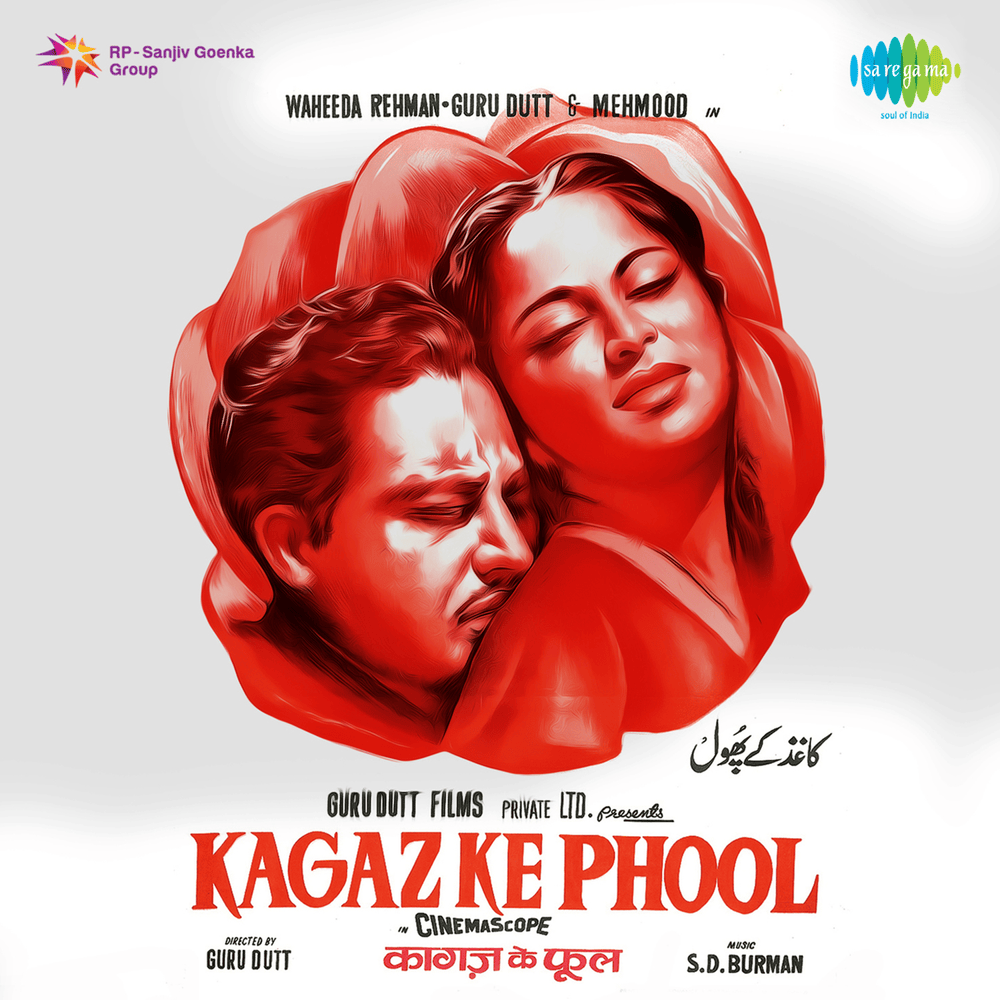
 View Artist