Song Meaning
The narrator pleads for a second chance, insisting they've transformed. They list off a series of promises: quitting drinking, calling more, stopping cigarettes, and ceasing lies. This litany of intended reforms is presented as proof of their "changed" status, a desperate bid to salvage a relationship they acknowledge damaging. The core of the plea rests on the assertion of internal change, hoping it's enough to overcome past transgressions.
The central tension lies in the stark contrast between the stated desire to change and the immediate refusal to act. The repeated refrain, "I'm gonna change / Just not today," reveals a profound self-awareness of the problem coupled with an inability or unwillingness to confront it in the present. This creates a cycle of broken promises, where the promise of future reform is used to excuse present inaction, leaving the listener in a state of suspended hope and inevitable disappointment.
The most striking element is the narrator's almost casual acknowledgment of their own failings and the potential consequences. Phrases like "I know I went too far this time" and "I know the loss is mine" are delivered with a resignation that borders on apathy. This is further amplified by the self-deprecating realization, "I wasn't worth it anyway," suggesting a deep-seated belief in their own unworthiness that undermines the very sincerity of their promises.
This lyrical construction is effective because it taps into the universal struggle of procrastination and the difficulty of genuine self-improvement. The narrator's confession of knowing they need to change but deferring the action creates a relatable, albeit frustrating, portrait of someone trapped by their habits. The raw honesty, even in its self-defeating nature, makes the plea feel less like manipulation and more like a genuine, albeit flawed, expression of regret and a desperate grasp for redemption.
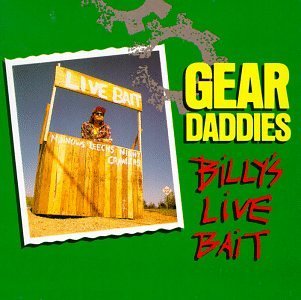
 View Artist