Song Meaning
The lyrics present a stark, almost clinical observation of a destructive cycle, framed by the repeated, urgent command to "Discover the treatment before the disease." This initial plea suggests a proactive, almost preventative measure, yet the subsequent lines quickly pivot to a sense of overwhelming, almost disorienting euphoria. The narrator claims to be "feeling so awake" and "bursting with anticipation," a state that seems intoxicatingly positive, yet it’s immediately undercut by a "spacey nausea," hinting that this heightened state is not entirely benign.
The core tension emerges from the duality of this "treatment." It’s presented as a choice – "It's up to you if you drink no-one's forcing you" – but this freedom quickly leads to a downward spiral. The initial fun and good times are fleeting, inevitably followed by isolation and a derailed mind, a consequence the lyrics ominously state "there seems to be no end." This suggests the "treatment" is a self-inflicted wound, a temporary high that guarantees future suffering, encapsulated by the chilling phrase "the dog bites back."
The most striking craft element is the cyclical, almost proverbial nature of the "hair of the dog" refrain. This idiom, typically referring to drinking alcohol to cure a hangover, is twisted here to represent a destructive pattern where the solution becomes the problem. The lyrics then introduce a figure who "shoot[s] everything down in flames," someone who thrives on blame, implying that the real "culprit" is not external but internal, perhaps even held "right there in your hand." This points to a self-destructive tendency that the narrator seems to be trying to warn against, or perhaps even offering as a perverse form of enlightenment.
Ultimately, these lyrics resonate because they capture the insidious nature of addiction or self-sabotage. The initial allure of escape or pleasure is powerfully contrasted with the inevitable, crushing reality that follows. The repeated call to "discover the treatment" before it’s too late, coupled with the grim depiction of the consequences, creates a potent, cautionary narrative that feels both personal and unnervingly familiar.
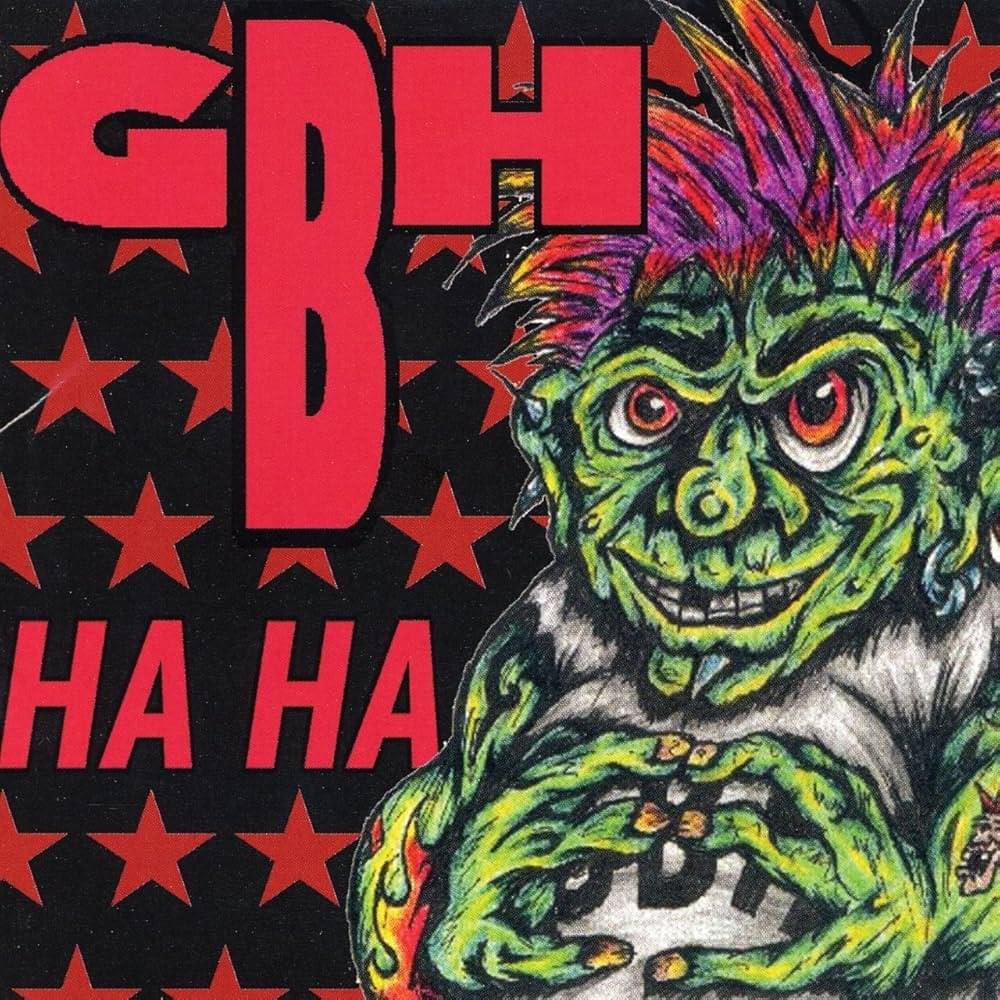
 View Artist