Song Meaning
The lyrics paint a stark picture of a love that's both intense and ultimately insufficient, perhaps even destructive. The opening lines, "Bedding down in bridal love / Blinding wet and silver cloaked," suggest a passionate, almost sacred union, but this is immediately undercut by the admission, "But the pills are not enough / To unfeel it." This hints at a deep-seated pain or trauma that even the most profound connection can't erase, setting a tone of desperate coping.
There's a palpable tension between a desired public persona and a hidden, painful reality. The narrator seems to crave attention, as evidenced by "See the spotlight follow you / Just like you wanted." Yet, this external validation is juxtaposed with a "shadow world" and a "surgeon's hand," implying internal struggles or a need for drastic, perhaps painful, intervention. The "mirror covered widow black" is a powerful image, suggesting grief, concealment, and a deliberate turning away from self-reflection, possibly to preserve a fragile peace or a memory.
The latter half of the lyrics shifts focus to legacy and the passage of time, particularly in the context of someone else's life and work. The questions "So who will know my life / And who will bear my time" and "And who will know my time" express a profound anxiety about being remembered and the ephemeral nature of existence. The address to "You writer" and the commentary on "Your memoirs" suggest a reflection on a life lived, perhaps one that was performative ("You always starred") but ultimately ended in surrender ("You left the wheel / You lost your nerve"). The finality of "It is complete / The ink is dry" brings a sense of closure, but it's a closure tinged with the melancholy of what was lost or left undone.
This lyrical tapestry is effective because it uses sharp, often unsettling imagery to convey complex emotional states. The contrast between the "bridal love" and the need for "pills," the public "spotlight" versus the private "shadow world," and the active "wheel" versus the passive "lost your nerve" create a compelling narrative of internal conflict and existential reflection. The lyrics don't offer easy answers but instead leave the listener with a lingering sense of the struggle to reconcile desire, pain, and the ultimate reckoning with one's own time.
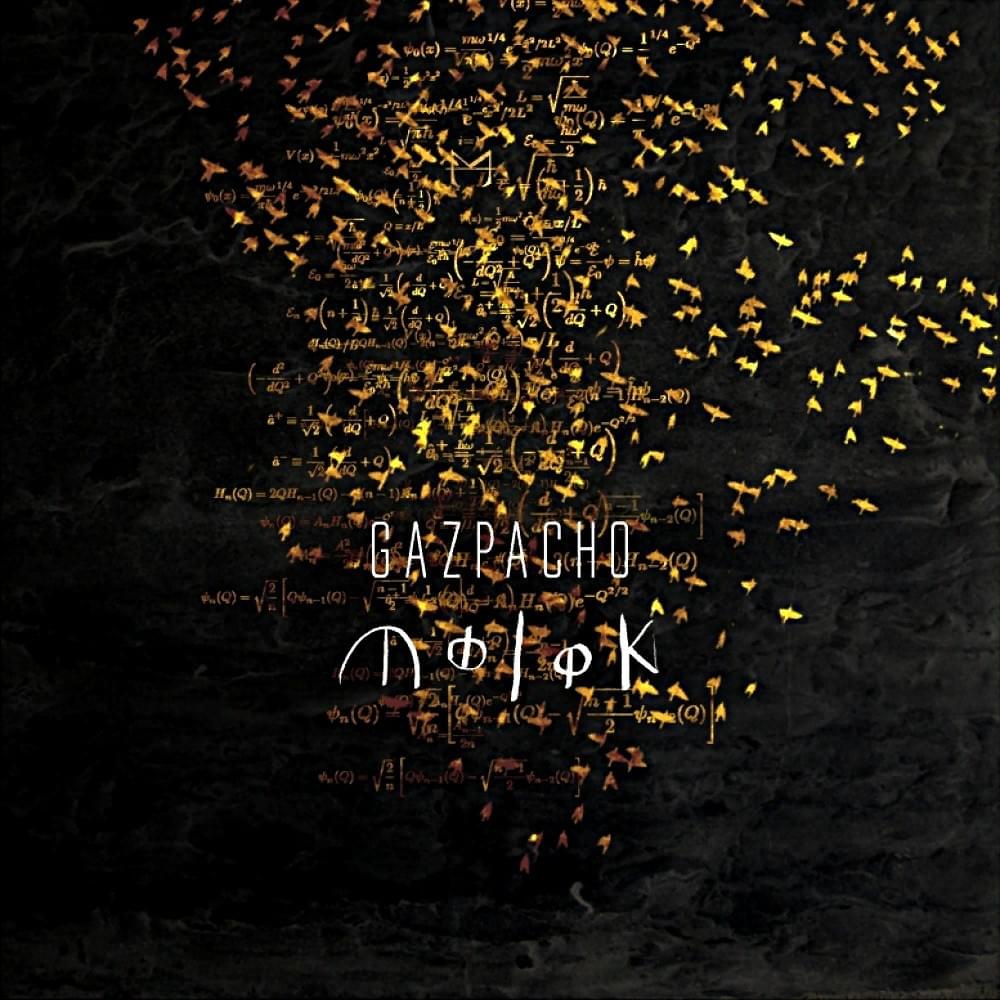
 View Artist