Song Meaning
The lyrics plunge us into a disorienting dreamscape, recounted with a chilling, almost obsessive repetition. A narrator describes a descent through a "dark, dark house" into an equally "dark, dark room." The atmosphere is immediately oppressive, hinting at a deep-seated unease.
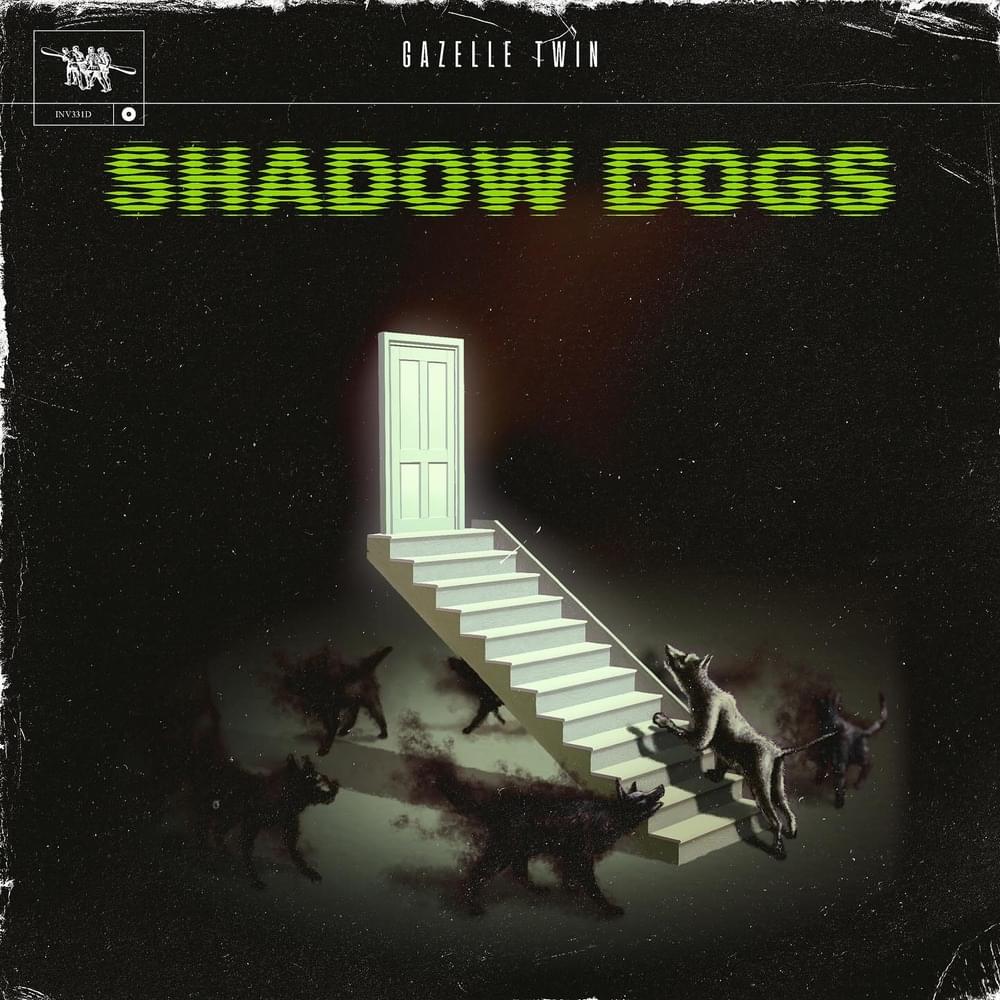
This dream isn't just unsettling; it's profoundly disturbing. The repeated "dark, dark" imagery builds a claustrophobic sense of dread, guiding the listener deeper into the narrator's subconscious. This journey culminates in the appearance of a "dark, dark dog" baying "by my side," a presence that feels less like an external threat and more like an inescapable, mournful shadow. It's a constant, internal companion in the pervasive darkness.
The craft here is masterful in its simplicity, particularly the relentless repetition and the stark, fragmented imagery. Phrases like "shadow traces" and "erased faces" suggest a struggle with memory or identity, hinting at something lost or forgotten within this internal darkness. The abrupt declaration, "I forget the rest," feels less like a simple memory lapse and more like a protective mental block against the dream's full horror.
The emotional punch lands hard in the final stanzas. The dream "took my heart," prompting a visceral, almost self-destructive response: "I ripped it clean out." This violent act reveals the dream's profound impact, suggesting a desperate attempt to excise a deeply painful or traumatic experience. The concluding image, "In the dark, dark head / Was a black dog," powerfully internalizes the dream, making the "black dog" a potent metaphor for a persistent, inescapable mental burden or a lurking depression within the narrator's own mind.