Song Meaning
The narrator grapples with existential questions, pondering the universe's nature as either chaotic or ordered. This reflection leads to a sense of urgency and a feeling that time is insufficient, underscored by the stark realization, "E infatti, ora è tardi." The lyrics immediately establish a tone of deep introspection mixed with a dawning awareness of mortality or missed opportunities.
The central tension emerges from a profound sense of loss and unfulfilled potential. The narrator laments wasting years searching for meaning and freedom, feeling that liberty was lost at birth. This existential quest is further complicated by regret over a relationship, specifically the failure to love enough to forgive past mistakes, highlighting a painful disconnect between desire and action.
The repeated refrain, "Non avrai altro Dio / Al di fuori del mondo," acts as a powerful, almost liturgical declaration. It suggests a rejection of traditional or transcendent beliefs in favor of embracing the tangible, earthly reality, however flawed or disappointing it may be. This could imply a call to find meaning within the world itself, or a resignation to its limitations and the struggles it presents.
This lyrical construction is effective because it grounds abstract philosophical musings in concrete emotional pain. The contrast between cosmic reflection and personal regret, amplified by the insistent, almost commandment-like chorus, creates a potent sense of yearning. The lyrics resonate by articulating a universal human struggle: navigating the vastness of existence while being tethered to personal failures and the relentless march of time.
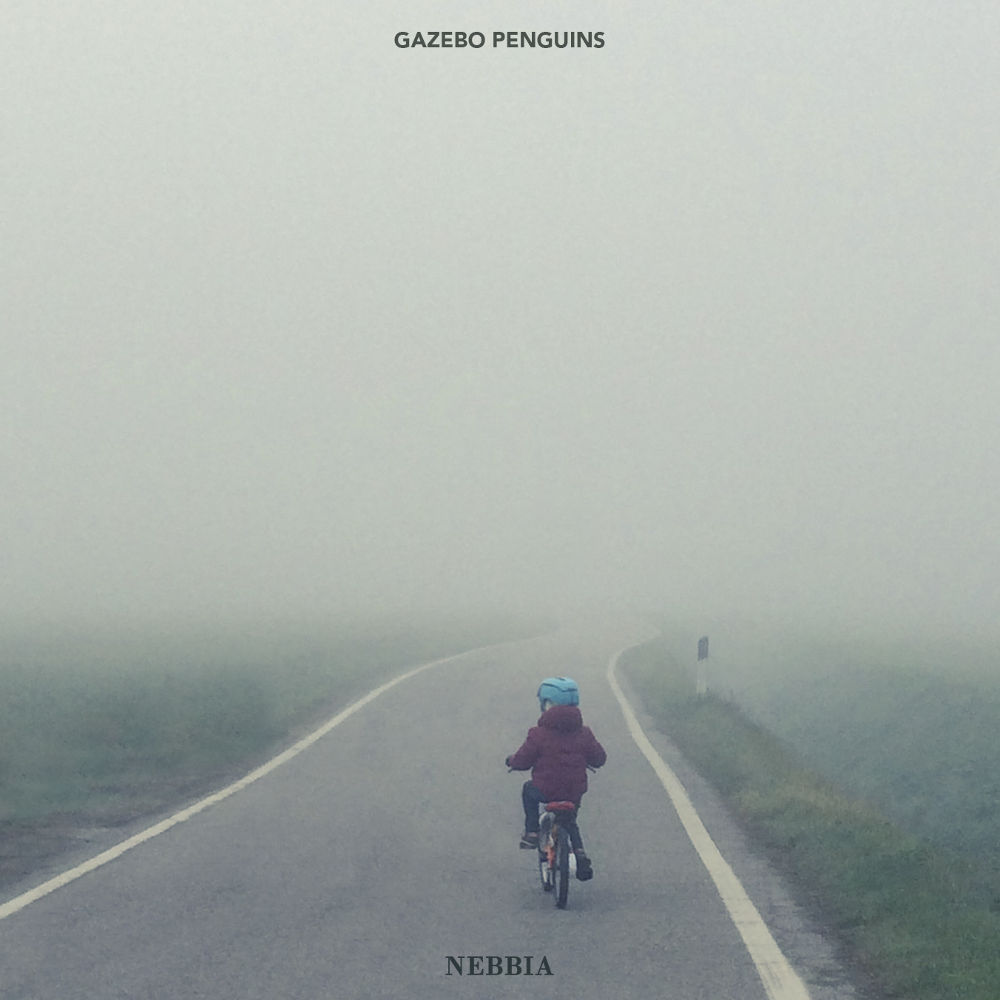
 View Artist