Song Meaning
The lyrics paint a stark picture of internal struggle, where the narrator has mastered the art of self-harm without alarming others. There's a profound sense of detachment, as if their mind has become a place they can no longer inhabit comfortably, described as "un ospedale" (a hospital) and later "inospitale" (inhospitable). This internal landscape is so chaotic that concentration becomes impossible, highlighting a deep-seated mental distress.
The core tension lies in the narrator's alienation from both themselves and their surroundings, amplified by the line "Non ti conosco più" (I don't know you anymore). This suggests a breakdown in relationships or a loss of familiarity with loved ones, forcing them into a state of hiding, "Me ne starò nascosto" (I will stay hidden). The seemingly mundane detail of "Domani è Ferragosto" (Tomorrow is Ferragosto) – a major Italian holiday – contrasts sharply with the narrator's internal turmoil, underscoring their isolation amidst societal normalcy.
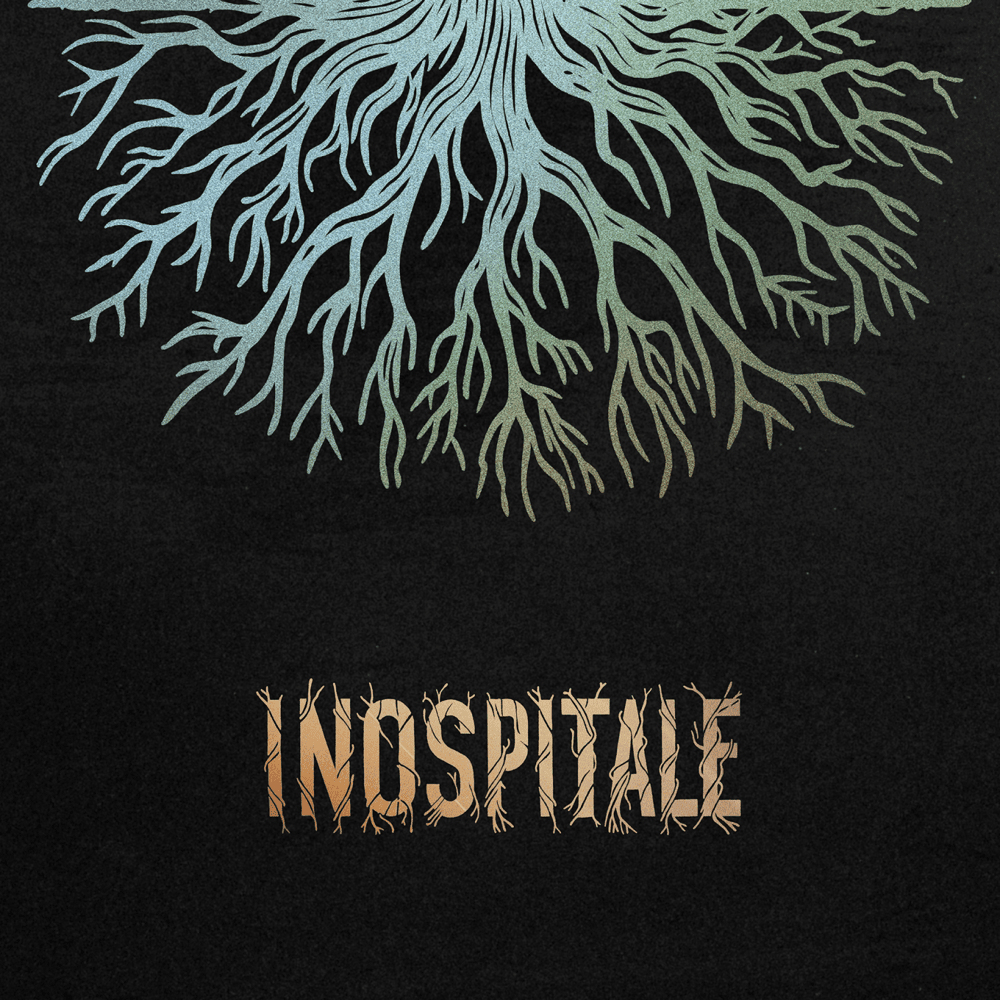
A particularly striking piece of craft is the repeated phrase "Ho imparato a farmi male / Senza farti preoccupare" (I learned to hurt myself / Without making you worry). This isn't just about physical pain; it's about a learned coping mechanism that prioritizes emotional suppression over genuine connection. The shift from "un ospedale" to "inospitale" for the brain in the second verse is subtle but powerful, moving from a place of sickness to one that actively repels the self.
Ultimately, these lyrics resonate because they articulate a specific kind of quiet desperation. The narrator's learned ability to mask their pain, coupled with the feeling of being in the wrong place ("Questo non è il mio posto" - This is not my place), creates a palpable sense of unease. The final line, "Rischio solo quando vado sul sicuro" (I only take risks when I'm on safe ground), is a poignant paradox, suggesting that even perceived safety has become a source of danger for someone so disconnected.
 View Artist