Song Meaning
The lyrics paint a picture of a seemingly idyllic, religiously-infused upbringing in the Midwest, where 'Hallelujah' and 'Amen' are woven into the fabric of life from birth. The narrator recounts a childhood focused on achievement – 'straight 'As' home,' 'honor roll' – and diligent effort through various odd jobs. This early life is characterized by a deep, almost performative, spiritual expression, singing 'Hallelujahs' from the soul, suggesting a life lived in accordance with perceived expectations.
The central tension emerges when this carefully constructed world collides with the narrator's emerging identity. Despite outward conformity and a life filled with positive affirmations ('love my friends and dogs and neighbors'), a crucial distinction is made: 'But not girls, not in that way.' This leads to the powerful, almost defiant, declaration: 'Hallelujah I was gay.' The 'Horay!' that follows feels like a moment of self-acceptance, a personal 'Hallelujah' breaking through the communal one.
The most striking craft element is the pervasive use of 'Hallelujah' itself. Initially, it signifies religious devotion and societal approval, a communal chant of blessing. However, it transforms into a personal affirmation of identity, a sacred word reappropriated to celebrate a truth that likely existed outside the 'parent's glory' and the 'church and school' narrative. The contrast between the expected 'Hallelujahs' and the personal one is where the emotional weight lies.
This lyrical journey is effective because it grounds a profound personal revelation within a relatable, almost archetypal, narrative of striving and belonging. The shift in the meaning of 'Hallelujah' from a communal blessing to a personal, identity-affirming cry is deeply resonant. The final lines, 'There is more that's out there for you / But you'll never find it here,' suggest a dawning realization that true fulfillment requires leaving the familiar, blessed confines of the past.
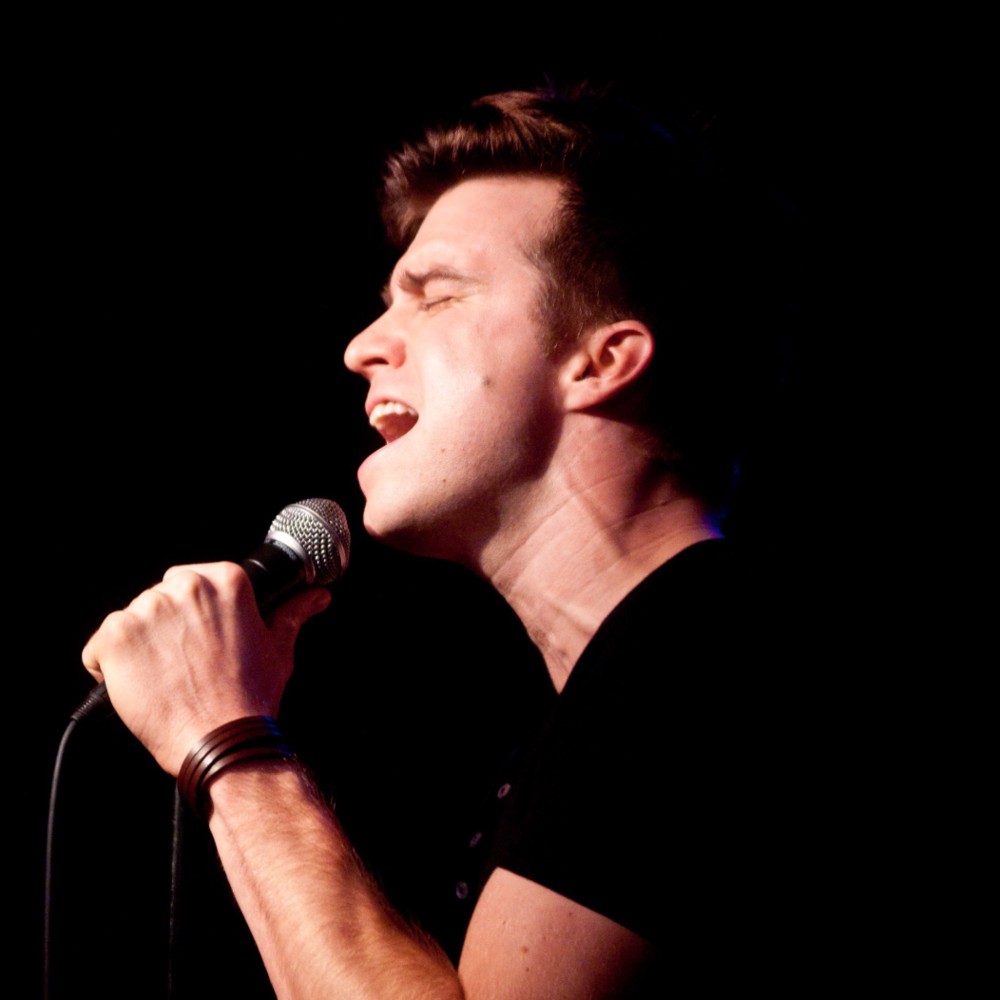
 View Artist