Song Meaning
The lyrics paint a somber picture of loss and the lingering weight of grief. The opening lines, "Du ga oss alt du bar da du forsvant / Nå må vi ta din sorg i pant," immediately establish a sense of inherited sorrow, suggesting someone has departed, leaving behind not just memories but a tangible burden of their pain. This isn't a gentle fading away; it's a forceful transference of emotional weight, making the beauty of life feel insignificant against this heavy reality.
The central tension lies in the fragile nature of hope and the enduring power of love. The narrator states, "Det er håp, til du gir opp / Da er det tapt," highlighting how hope is conditional, dependent on continued effort. Yet, this is contrasted sharply with the assertion that "kjærlighet / Som aldri dør / Når den først er skapt," presenting love as an eternal force, a creation that transcends the ephemeral nature of hope and the finality of loss. This duality creates a poignant emotional landscape where despair is ever-present, yet a steadfast love persists.
A striking element is the recurring motif of weight and time. Phrases like "Skjønnhet veier ingenting" and "Tida veier ingenting" are juxtaposed with the personal experience, "For deg så ble det tungt." This suggests that while abstract concepts like beauty and time might seem weightless, they become crushing burdens when experienced through personal suffering or loss. The lyrics seem to suggest that the departed individual found these abstract forces overwhelmingly heavy, leading to their disappearance.
Ultimately, the effectiveness of these lyrics stems from their stark honesty about the difficulty of holding onto hope when confronted with profound loss. The repeated refrain, "Til vi sees igjen min venn," acts as a fragile anchor, a promise of reunion that offers solace amidst the acknowledged pain. It’s this blend of acknowledging the crushing weight of sorrow while holding onto the persistent, unyielding nature of love that makes the sentiment resonate.
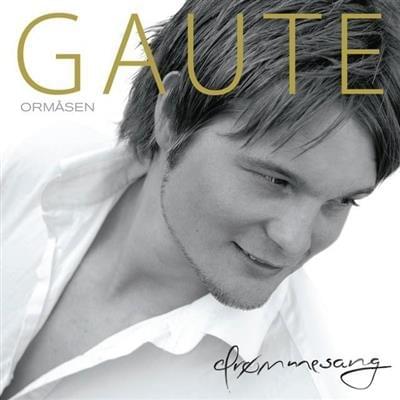
 View Artist