Song Meaning
A surreal, almost apocalyptic scene unfolds, bathed in a "glorious light" that strangely illuminates a sleeping six-year-old. This child, innocent and unaware, is the focal point for a desperate collective hope. The narrator and others are "dying and waiting," placing an immense burden on this young boy to mature and ultimately "save us."
The core tension lies in this paradoxical reliance: the child is both the symbol of pure, untainted potential and the unwilling vessel for a world's salvation. The lyrics present a stark contrast between the child's peaceful slumber and the surrounding "death meets destruction," a grim reality that requires his future strength. This creates a palpable sense of urgency and a heavy, almost tragic, expectation placed upon his young shoulders.
The most striking craft element is the juxtaposition of serene imagery with intense, almost violent, undertones. The "glorious light" is undercut by "one hundred twenty volts wired straight to his soul," a disturbing detail suggesting a forced or unnatural burden. This is further amplified by the militaristic language of "enemies sails" and "broken masts," hinting at a conflict that the child is destined to resolve, not through typical means, but through the "mind of a child."
This lyrical construction is effective because it taps into a primal fear of impending doom coupled with an almost mythical belief in innocence as a redemptive force. The plea "so save us" and "so lead us" is desperate, but the ultimate solution is framed as an inherent, perhaps even magical, quality within the child. The final, unsettling questions "is there something wrong with this picture?" and the command "And take it over" leave the listener contemplating the ethical implications of such a profound, imposed destiny.
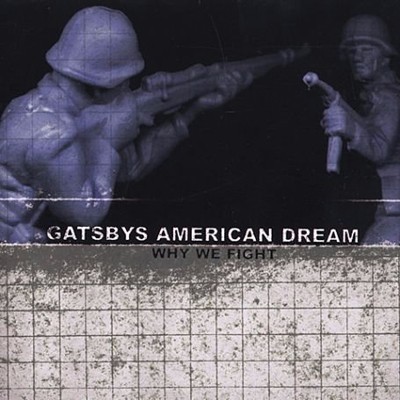
 View Artist