Song Meaning
GASHI's "ALONE" isn't a simple declaration of solitude; it's a study in the contradictions of modern disconnection. The repetitive mantra "I'm never lonely though" feels less like a statement of fact and more like a desperate, almost manic, attempt at self-persuasion. The opening lines paint a picture of vulnerability: "I'm rolling, I'm faded, I'm all alone, I'm naked." Stripped bare, both literally and figuratively, GASHI confronts a raw, exposed state. The chemical haze suggests an attempt to self-medicate, to numb the sting of being alone. But the insistence that he's "never lonely" hints at a deeper psychological complexity.
The plea to a higher power – "Lord won't you rain down on me and wash my sins away / and take my pain away" – further underscores this internal conflict. It's a yearning for catharsis, a desire to be cleansed of whatever weighs him down. This spiritual cry exists in stark contrast to the hedonistic imagery of being "rolling" and "faded," creating a tension between earthly indulgence and spiritual longing. The repetition of this prayer, combined with the insistent denial of loneliness, suggests a fragile emotional state, one where the line between genuine feeling and forced affirmation is blurred.
The closing lines, with their almost primal "Oh ma ma ma" vocalizations and the repeated request to "Let me fly away," introduce another layer to the song's meaning. It's a desire for escape, a yearning to transcend the limitations of his current reality. Whether this escape is literal or metaphorical is left open to interpretation. Is it a desire to escape the pain, the loneliness he so vehemently denies, or something else entirely? The ambiguity is what makes "ALONE" so compelling – a portrait of a man wrestling with his inner demons, caught between the desire for connection and the comfort of self-imposed isolation. The song's meaning ultimately resides in this uneasy tension, leaving the listener to ponder the true nature of loneliness and the masks we wear to conceal it.
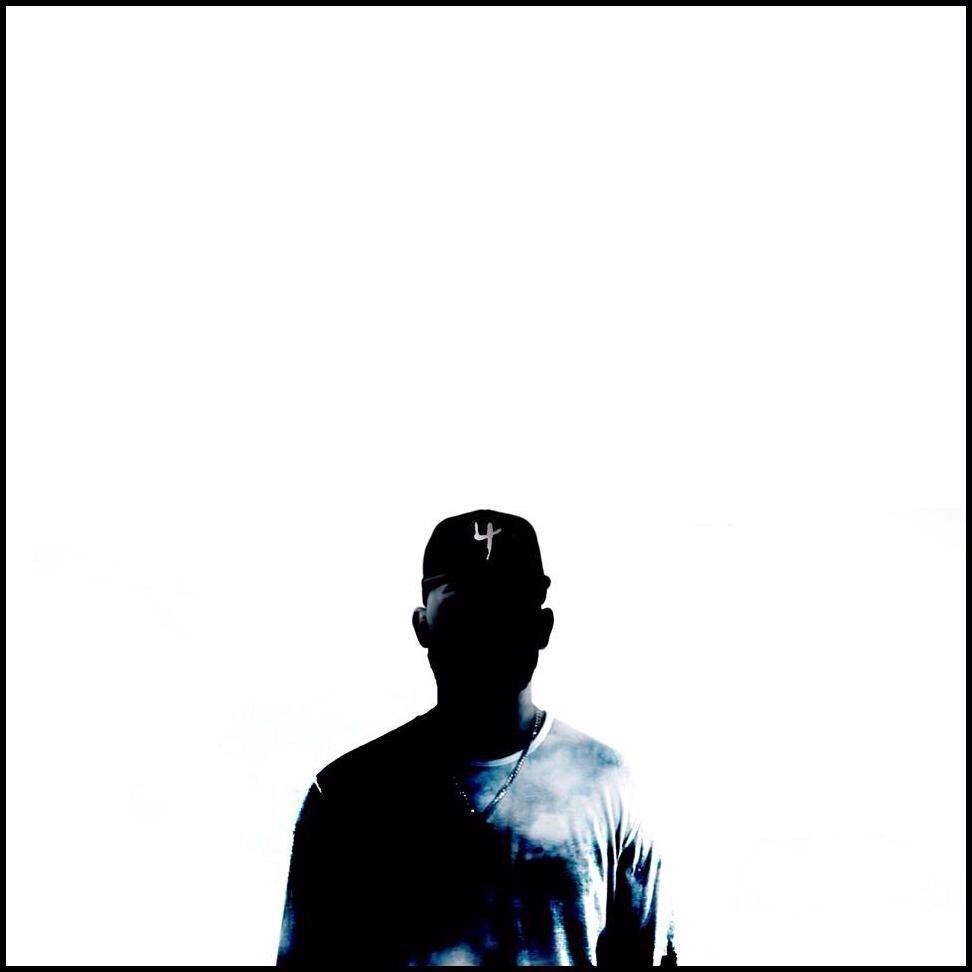
 View Artist