Song Meaning
This track paints a grim, unflinching portrait of everyday urban transit. The narrator is trapped, observing a tableau of human suffering and decay. The opening lines immediately establish a sense of detachment and weariness, with faces "buried inside a book" and a "haggard look" all around. The sonic landscape is harsh: "sirens scream, a baby cries," setting a tone of constant, unavoidable distress. This isn't a commute; it's an immersion in the raw, unvarnished struggle of existence.
The central tension lies in the narrator's forced proximity to profound human misery, which is presented as the very definition of reality. The lyrics catalog a series of disturbing images: a man with a "stump for a hand," a "giant cyst" on another passenger's face, and a deeply unsettling depiction of a person in the back eating "his snot for lunch." These are not fleeting glimpses but sustained observations, suggesting a deep-seated desensitization or perhaps a desperate attempt to find meaning in the grotesque.
The repeated phrase, "Reality is a ride on the bus," acts as a stark, almost nihilistic thesis statement. It collapses the grand concept of reality into the cramped, unpleasant confines of public transportation. The final lines, "So hop on board and step inside / This sardine can on wheels we'll ride," transform the bus from a mere setting into a metaphor for a shared, inescapable, and deeply unpleasant human condition. The craft here is in its brutal directness, eschewing metaphor for raw, visceral description to create a powerful sense of claustrophobia and despair.
What makes these lyrics hit so hard is their refusal to offer comfort or escape. The narrator doesn't romanticize poverty or suffering; they simply present it as the unadorned truth of their world. The "sardine can on wheels" image perfectly encapsulates the feeling of being packed in with others, yet utterly alone in one's own grim experience. It’s the mundane horror of shared, yet isolating, human struggle.
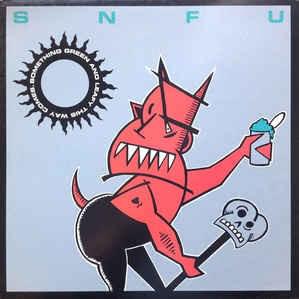
 View Artist