Song Meaning
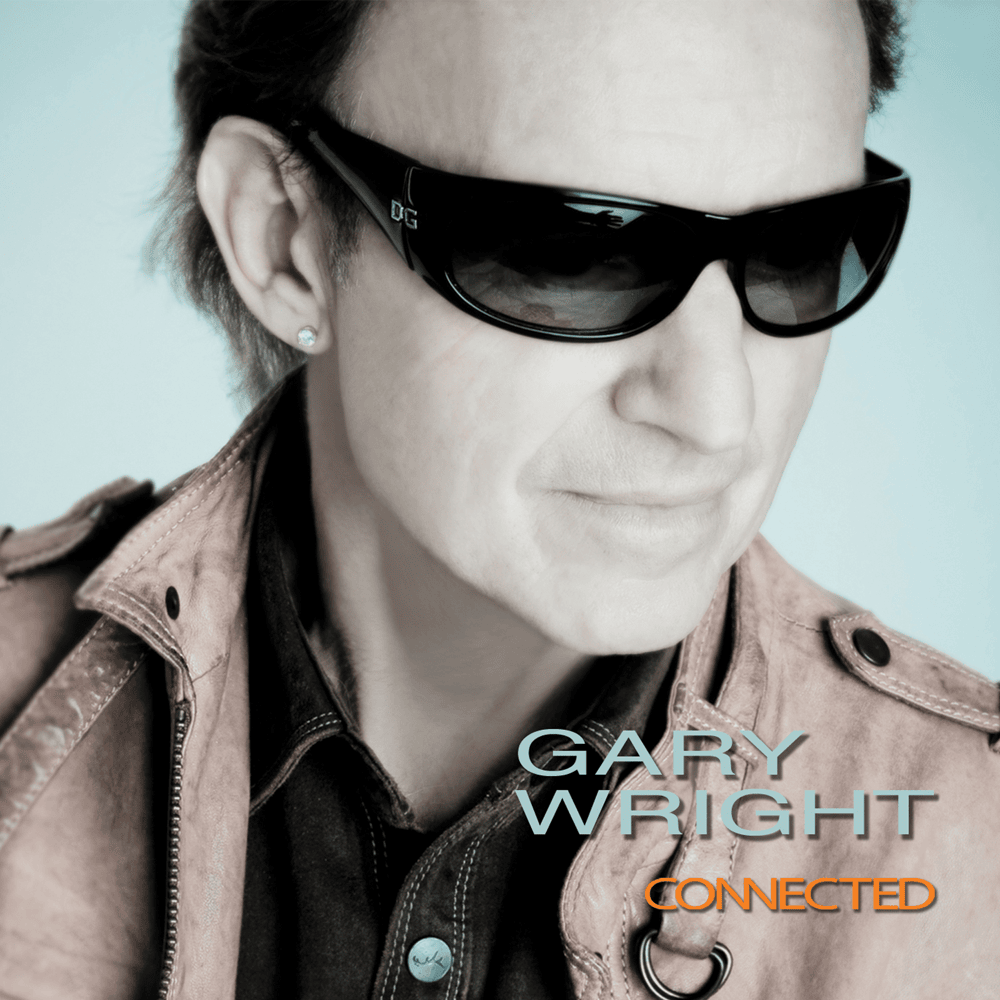
Gary Wright's "Life's Not a Battlefield" arrives as a plea for unity, a sonic balm for a world perpetually teetering on the brink of conflict. The song meaning, distilled, is a rejection of adversarial living. Wright isn't dissecting geopolitics; he's diving into the interpersonal trenches where everyday battles erode our collective humanity. The opening lines, pondering anonymity and a bird's-eye view, immediately establish a desire for detached perspective, a yearning to transcend the petty squabbles that define our interactions. He’s advocating for empathy as a form of seeing, suggesting that from a distance, our shared humanity dwarfs our perceived differences. This sentiment echoes a core tenet of humanistic psychology: the inherent worth and interconnectedness of all individuals.
The core of "Life's Not a Battlefield" rests on the idea that our actions, particularly the 'stones that we throw,' create distance and damage. This isn't just about physical conflict; it's about the casual cruelties, the thoughtless words, and the reflexive defensiveness that poison relationships. The repeated urging to 'ask why' before burning bridges isn't naive optimism; it's a call for mindful engagement. It's an invitation to interrupt the cycle of reactive behavior and consider the underlying motivations, fears, and vulnerabilities that drive conflict. Wright understands that these 'battlefields of passion' are often internal projections played out on an external stage.
Ultimately, the power of "Life's Not a Battlefield" resides in its simplicity. It's not offering a grand solution or a complex philosophical treatise. Instead, it presents a fundamental choice: to perpetuate the cycle of conflict or to actively cultivate connection. The lyrics subtly propose that acknowledging our shared human experiences—struggle, growth, laughter, and tears—is the first step toward dismantling these self-made battlefields. The repeated refrain, 'You and I are here to spread the sunshine,' might seem saccharine on the surface, but it functions as a direct counterpoint to the pervasive negativity that fuels division. It is a conscious choice to illuminate rather than obliterate, to heal rather than harm. Gary Wright isn't just singing a song; he's offering a gentle, but firm, course correction.
 View Artist