Song Meaning
The lyrics paint a stark picture of a past era, "then," where existence was defined by a simple lack of death. The narrator recalls a time, specifically "Oh! 2025," when being "alive" was the primary metric, a state now seemingly lost. This "then" is characterized by a lack of complexity, a time of "simple men" before the intrusion of advanced technology and a self-centered existence.
The core tension lies in the contrast between this remembered past and the narrator's present reality. The "empty eyes" of someone else, unwilling to acknowledge the change, highlight the narrator's isolation. The repeated refrain of "Oh! 2025 / When we were still alive" acts as a lament, a desperate clinging to a state that feels irretrievably gone. The narrator questions their current existence, "Am I the only man / No part of any plan," suggesting a profound sense of displacement and insignificance.
The most striking aspect of the craft is the deliberate juxtaposition of primal existence with technological advancement. The "automat" and "power screen" are contrasted with a more fundamental state of being, "before the age of clean" and "before my world was only me." This sequence of "befores" effectively builds a sense of loss, tracing a decline from collective, perhaps more natural, existence to a solitary, technologically mediated one. The final lines, "Is this law / Or is it fear," introduce an ambiguity about the forces controlling the narrator's present, hinting at external constraint or internal paralysis.
This lyrical construction is effective because it taps into a subtle anxiety about progress. The "simple men" of the past, though perhaps less sophisticated, possessed a clarity of existence that the narrator yearns for. The lyrics don't offer easy answers but instead evoke a potent feeling of nostalgia for a lost state of being, a feeling amplified by the stark, almost clinical, descriptions of the present and the encroaching technological landscape.
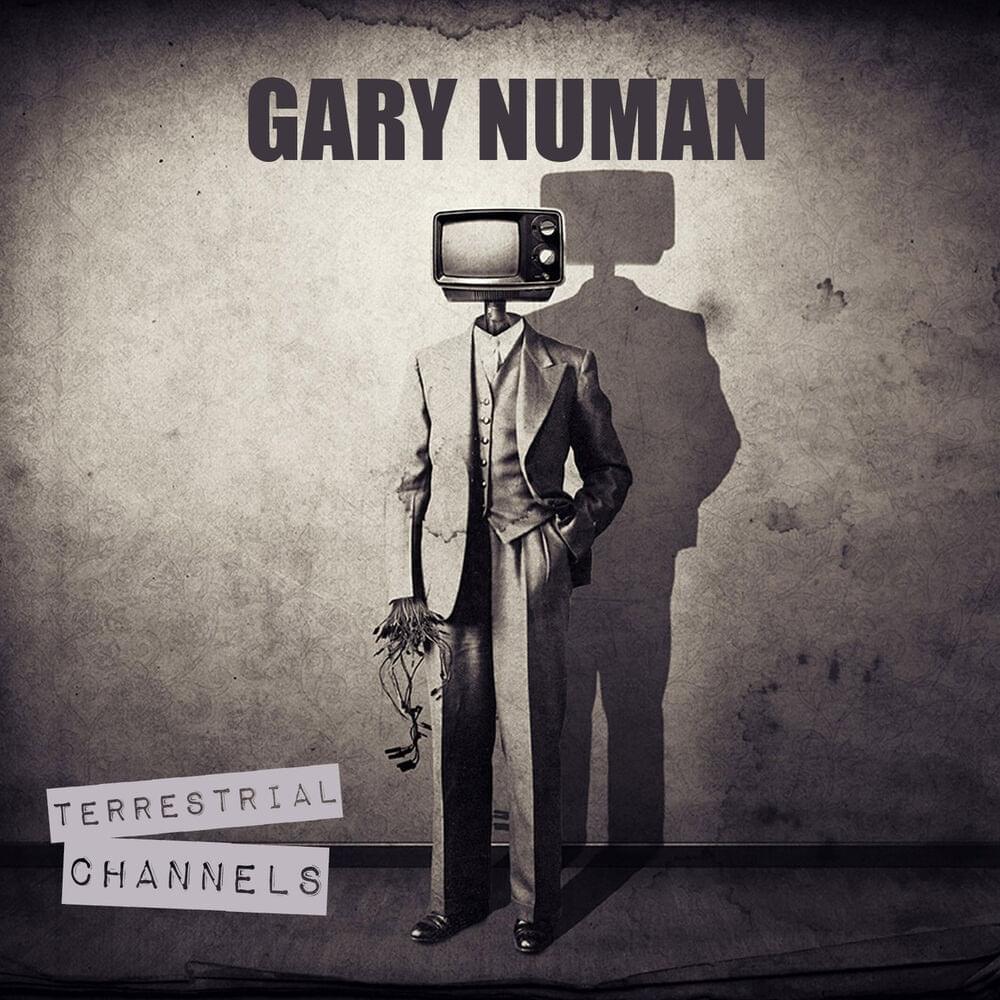
 View Artist