Song Meaning
The lyrics paint a picture of disillusionment with transactional relationships and a sense of resigned observation. The narrator notes how some people move on easily, while others offer affection purely for financial benefit, highlighting a cynical transactional dynamic. The phrase "She's so good with excuses and incorrect reasons" points to a manipulative character who avoids accountability, creating a wearying environment for the narrator who feels stuck in a losing battle. This sets a tone of emotional exhaustion and a desire to escape.
The central tension seems to stem from a feeling of being sidelined or unable to participate in a desired connection, perhaps symbolized by dancing. The repeated line "Now it's my brother's time" suggests a deferral or a shift in focus away from the narrator's own desires or opportunities. It implies a moment has passed or is being held back, leaving the narrator in a state of waiting or perhaps even obsolescence in the face of someone else's turn.
The most striking craft element is the juxtaposition of superficial social interaction with a deeper, almost philosophical unease. The narrator observes "loose young girls" and a vague, unsettling comparison to "someone in Japan who just lied," creating a sense of disconnectedness and moral ambiguity. The recurring image of "reflections" in someone's eyes, coupled with the realization that "there's nothing much that I can do," underscores a passive, introspective state where understanding doesn't lead to agency.
This lyrical approach is effective because it captures a specific kind of quiet desperation. The narrator isn't overtly angry but rather weary, observing the world's superficiality and their own powerlessness. The repetition of "She knows how to stand in the corner" and the stark, almost abrupt declaration "Now it's my brother's time" create a sense of inevitability and a subtle, melancholic resignation that resonates with anyone who's felt overlooked or stuck.
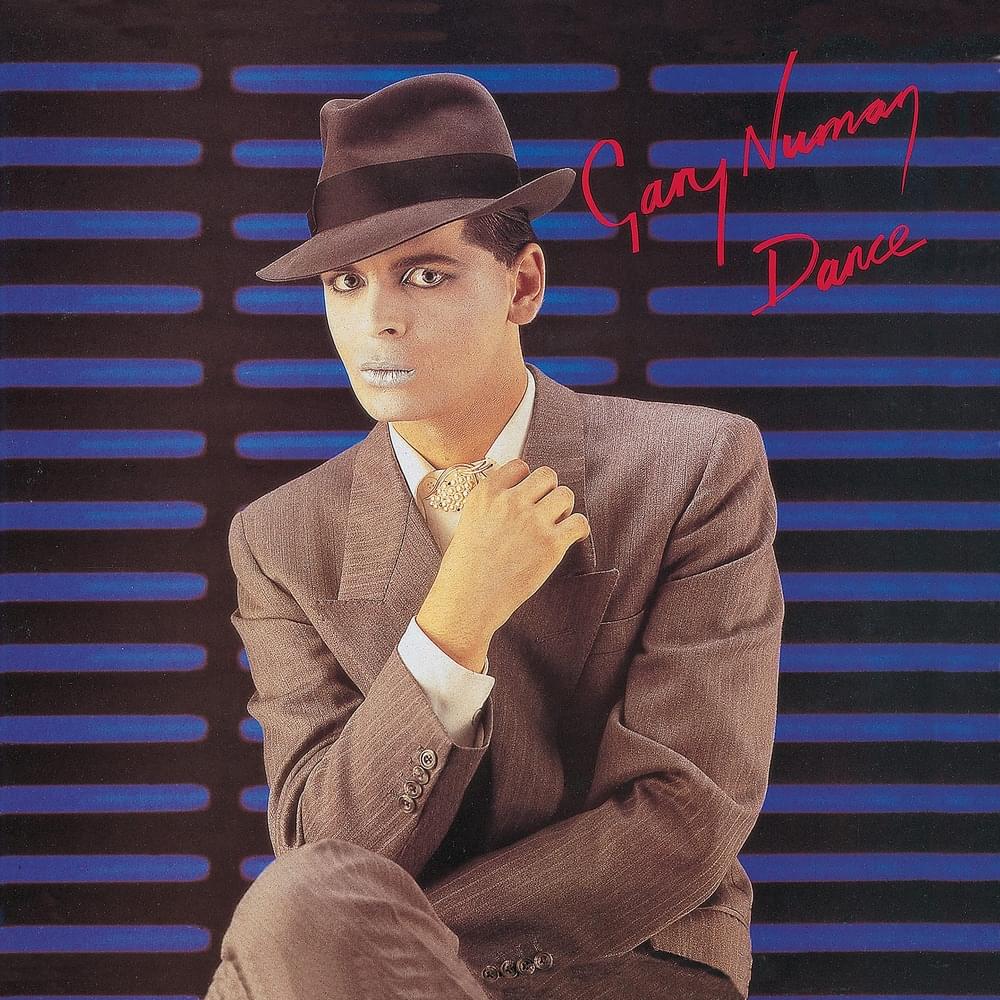
 View Artist