Song Meaning
The narrator grapples with a profound spiritual crisis, questioning the very nature of divine presence and salvation. The lyrics open with a direct address to God, immediately tinged with doubt and a sense of being mocked or tested. This uncertainty escalates into a fear that the Holy Ghost might be a haunting entity rather than a comforting one, blurring the lines between divine guidance and torment. The repeated plea, "Save me," underscores a desperate need for external intervention amidst this internal turmoil.
The central tension arises from the narrator's crumbling faith and the perceived absence or malevolence of divine figures. The questioning shifts from God's amusement to the potential death of an angel and the crying of a soul, suggesting a cosmic despair where even heavenly beings are not exempt from suffering or loss. This existential dread is amplified by the feeling of a shared pain, "Next to mine," implying a connection to a suffering that transcends personal experience, perhaps a universal spiritual decay.
The most striking aspect of the craft is the inversion of traditional religious concepts. Heaven is described as a "burnt out shell," forgiveness becomes a "door to Hell," and confession is a "black empty lie." This deliberate subversion creates a powerful sense of disillusionment, stripping away comforting doctrines and leaving the narrator exposed to a bleak, unforgiving reality. The command, "Look in my eyes," serves as a stark demand for acknowledgment of this harsh truth, a final plea for recognition before succumbing to despair.
Ultimately, these lyrics resonate because they articulate a profound sense of spiritual abandonment and the terrifying realization that the foundations of faith might be hollow. The raw, confrontational language and the systematic dismantling of religious solace create an intensely personal and unsettling portrait of doubt. The repeated "Save me" transforms from a hopeful cry into a desperate echo in an empty, "burnt out shell."
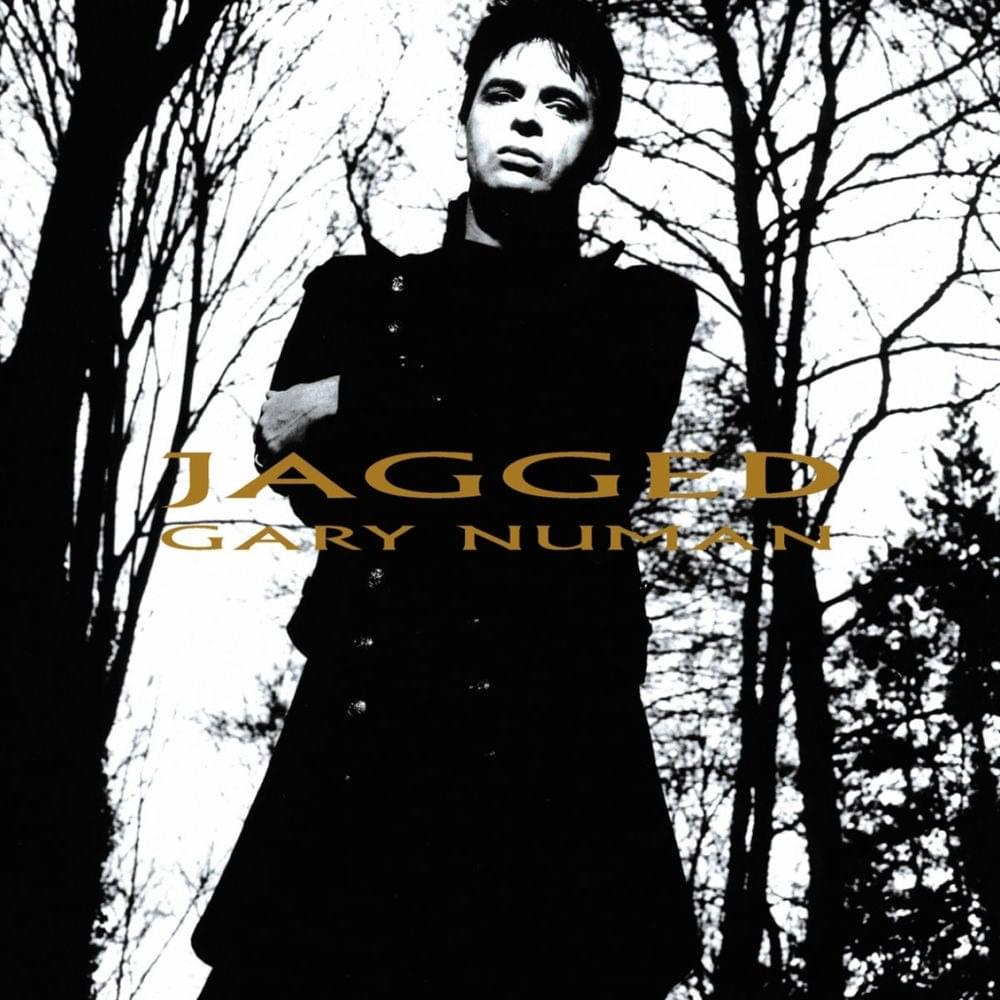
 View Artist