Song Meaning
The lyrics paint a stark picture of isolation and resignation, beginning with a sense of pervasive weariness. The narrator feels utterly depleted, describing the state as "run down" and a slow "fade away" rather than a definitive end. This feeling of being alone is amplified by the repeated declaration, "Now there's only M.E," emphasizing a solitary existence.
The central tension arises from a profound disillusionment and loss. The narrator recalls a past certainty that proved false, leading to a sense of finality: "Now it's over." The devastating consequence is not just the end of something, but the absence of anyone to witness or even acknowledge this demise, creating a void where even death loses its significance.
The most striking element is the narrator's active choice to disengage. The line "I turned off the pain / Like I turned off you all" reveals a deliberate severing of connection, a conscious decision to shut out external influences and emotional burdens. This act of turning off, mirroring the dismissal of others, solidifies the narrator's self-imposed solitude.
This lyrical descent into isolation is effective because it grounds abstract feelings of despair in concrete, albeit bleak, imagery. The contrast between a shared past ("We were so sure") and the present solitary reality ("Now there's only M.E") hits hard. The finality of "turned off the pain" suggests a surrender, making the narrator's ultimate state of being "M.E." feel like a tragic, self-inflicted consequence.
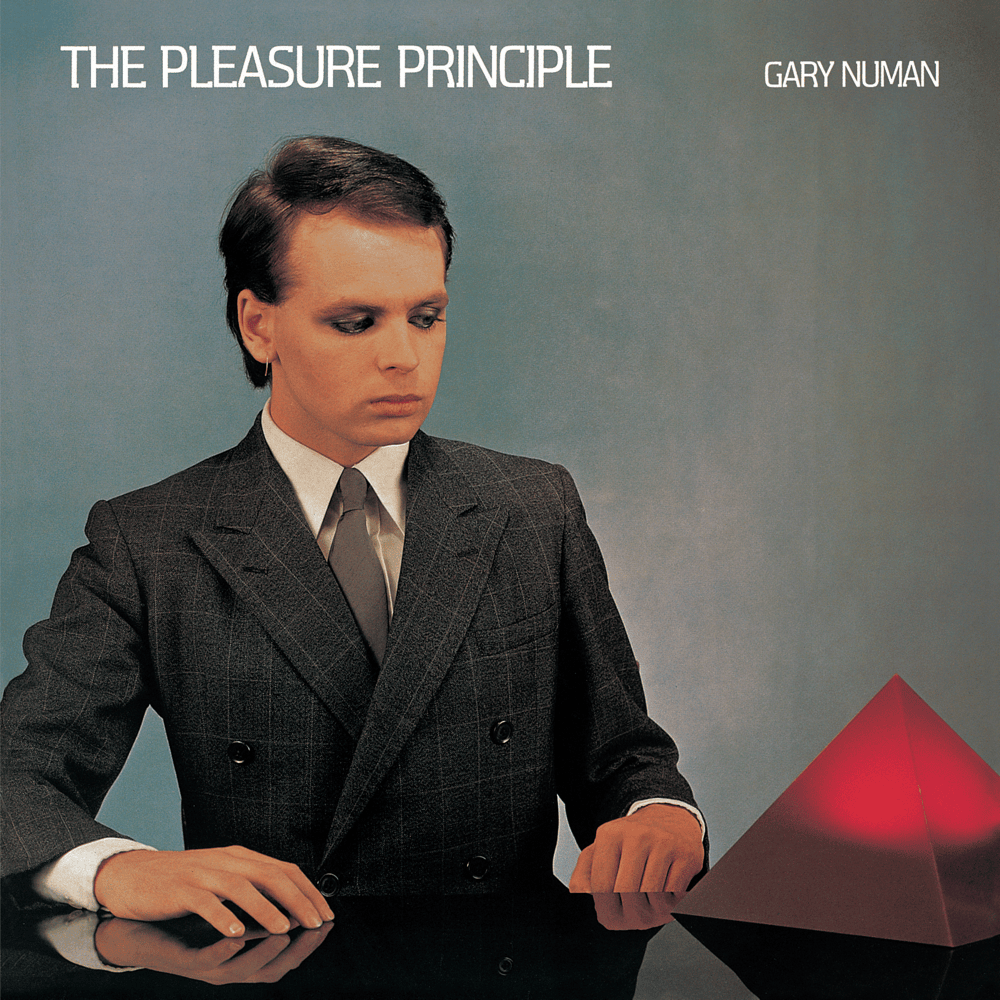
 View Artist