Song Meaning
The lyrics grapple with a profound crisis of faith, questioning traditional religious tenets in the face of suffering. The narrator repeatedly poses questions about heaven, eternal souls, answered prayers, and miracles, only to pivot sharply in the chorus. This juxtaposition creates an immediate tension between hopeful belief and a dawning, disturbing realization.
The central conflict emerges as the narrator pleads for salvation while simultaneously expressing deep skepticism and horror. The repeated "Save me" becomes desperate, almost frantic, but it's undercut by the chilling refrain, "The sacrifice of children" and "Innocence bleeding." This suggests a profound disillusionment, where the very concept of divine intervention is questioned when confronted with inexplicable pain and loss.
The most striking craft element is the stark contrast between the idealized imagery of faith and the brutal reality presented. Phrases like "paradise and angels" are directly challenged by "He lies to you and deceives" and "A dark salvation comes." The bridge intensifies this, stating it's "Too dark to see pictures of Heaven," implying that the very source of supposed comfort is obscured by the darkness of experience, and "Divine mercy, mercy lies bleeding."
Ultimately, these lyrics resonate because they articulate a raw, visceral doubt that many experience when confronted with tragedy. The writing doesn't offer easy answers but instead lays bare the agonizing space between a desire for faith and the harsh evidence of a world where innocence seems to suffer without divine recourse. The repeated "Save me" transforms from a plea for divine rescue to a desperate cry against a perceived betrayal by the very systems meant to offer solace.
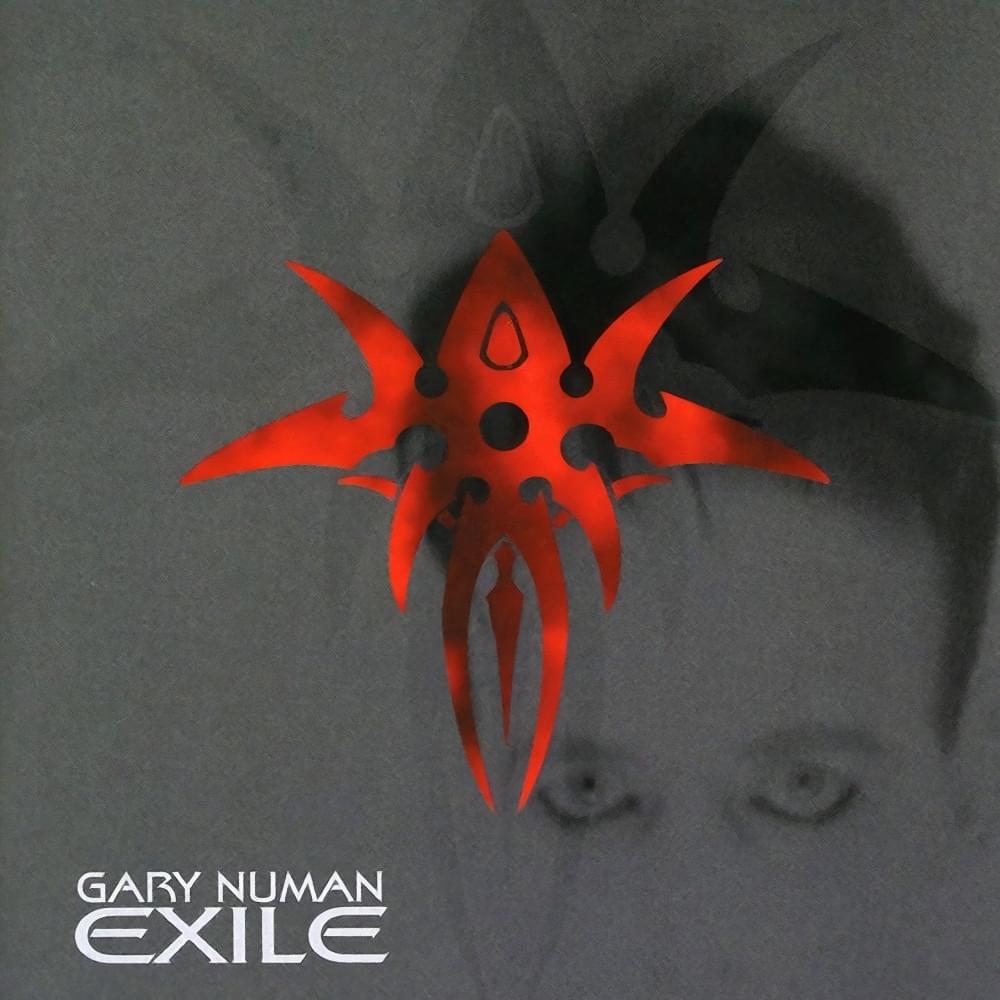
 View Artist