Song Meaning
The lyrics paint a stark picture of lingering heartbreak after a departure. The narrator feels trapped by memories, surrounded by "old stories" with "nowhere to hide." The initial impulse is destructive – tearing up pictures – but this is immediately undercut by the realization that time, often touted as a healer, feels stagnant, leaving the narrator stuck in the past. The core of the pain is the unexpected permanence of the hurt.
The central tension lies in the contrast between the expectation that time heals and the narrator's lived experience of it standing still. This is amplified by the bridge's raw, almost disbelieving repetition of "I can't believe it" and the burning sensation of lost love. The repeated "I remember" acts as an anchor, pulling the narrator back to the source of their pain, emphasizing that the memory is not fading.
The most striking element is the way the lyrics personify time as a deceptive force. The line "Time makes it easy but you / Never told me time stands still" is a powerful indictment of conventional wisdom about breakups. The narrator isn't just sad; they feel betrayed by the very concept of moving on. This is further underscored in the second verse where sleeplessness and unanswered questions ("Why don't you call?") highlight the ongoing, active nature of their suffering.
Ultimately, the effectiveness of these lyrics stems from their unflinching portrayal of a specific, agonizing post-breakup state. The narrator isn't seeking solace or offering platitudes; they are simply bearing witness to the relentless grip of memory and the painful irony of a love that "burned away" but left an indelible mark. The outro's quiet resignation, "Everything must end some day," offers a faint, almost reluctant acknowledgment of finality, but the dominant feeling is one of being perpetually caught in the "remembering."
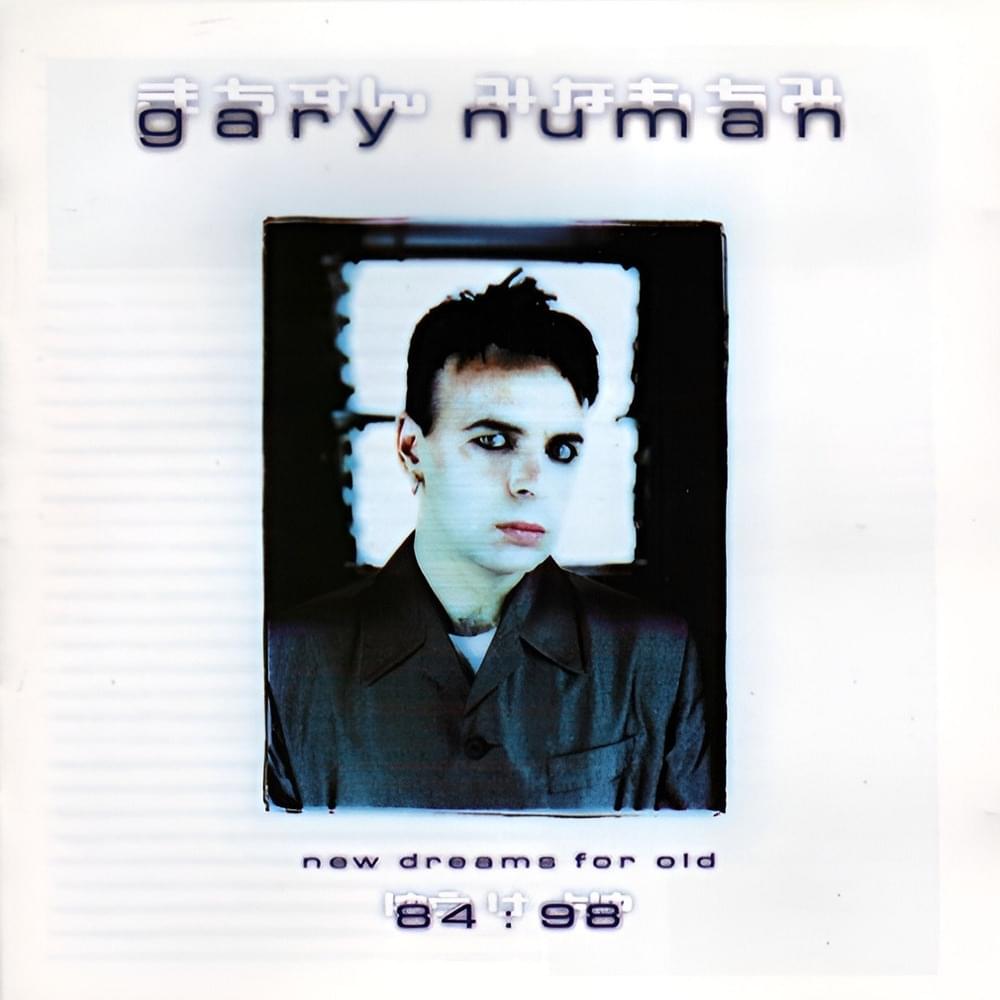
 View Artist