Song Meaning
This track opens with a stark rejection of conventional affection, immediately distancing itself from "love" and even a "point of view." The narrator seems to be in a specific, perhaps urban, setting like Echo Park, questioning an unknown entity with a whispered "who are you?" This sets a tone of isolation and existential inquiry right from the start, hinting at a disconnect from genuine connection.
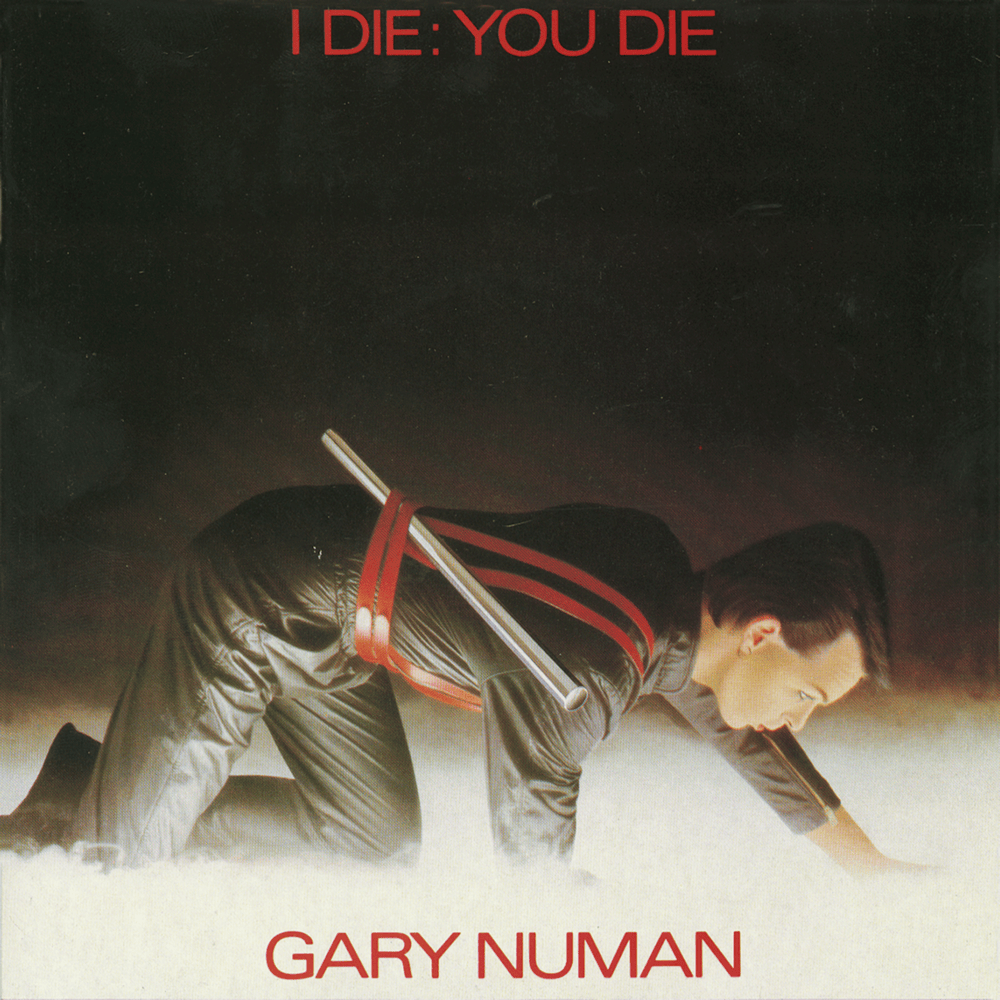
The central tension revolves around a perceived external threat and the narrator's response. "They crawl out of their holes for me" suggests a hostile audience or opposition that emerges specifically because of the narrator's presence or actions. This leads to the core declaration: "And I die: you die," a phrase that implies a shared, perhaps mutually destructive, fate or consequence. The repeated "tear me, tear me, tear me" underscores a feeling of being attacked and broken down by these external forces.
The lyrics employ a powerful, almost primal, sense of consequence and reaction. The question, "Does everything stop when the old TAPE fails?" introduces an element of technological or systemic decay, suggesting that the narrator's existence or the current state of affairs is tied to something that is breaking down. This links to the idea of suffering and being "too late," as declared by the unseen aggressors. The final line, "But I'm still frightened by the telephone," offers a surprising vulnerability, a mundane fear juxtaposed against the grander pronouncements of death and destruction, hinting at underlying anxieties that persist despite the apparent defiance.
The effectiveness of these lyrics lies in their raw, confrontational stance and the stark imagery they evoke. The cyclical nature of "I die: you die" creates a sense of inescapable doom, while the specific, almost clinical, observations like "See my scars" ground the emotional turmoil in physical reality. The contrast between the public spectacle of being torn apart and the private fear of a telephone suggests a complex internal landscape, making the narrator's struggle feel both epic and intimately personal.
 View Artist