Song Meaning
The lyrics present a chilling self-portrait of an "assassin" who claims to operate with a detached, almost bureaucratic rationale. The opening lines immediately establish a defensive posture, asserting "We are not evil" and "We act with reason and heart." This framing attempts to sanitize a violent act, suggesting a moral calculus behind their actions. The repetition of "I, Assassin, I am" in the chorus solidifies this identity, not as a role, but as an intrinsic state of being.
The core tension lies in the narrator's profound emotional numbness, juxtaposed with the violent implications of their self-proclaimed title. They are "patient," waiting "a lifetime for you," yet simultaneously claim "I've never felt much at all." This emotional void is presented as a prerequisite for their work, a way to distance themselves from the consequences of their actions. The post-chorus lines, "I just arrived / Something to fix / This new depression," and "There's nothing personal / Just read the papers / That's realism," further underscore this detachment, framing their role as a necessary, almost impersonal, societal adjustment.
The most striking aspect of the writing is the deliberate construction of a persona that is both self-aware and deeply alienated. The narrator acknowledges their role as an "assassin" but reframes it as a function, a response to "new depression" or a matter of "realism." The contrast between the weighty act of assassination and the mundane, almost administrative language used to describe it – "reason and heart," "patient," "fix," "read the papers" – creates a disquieting effect. It suggests a world where extreme violence is normalized and executed with a chilling lack of affect.
Ultimately, these lyrics resonate because they tap into a fear of impersonal forces and the dehumanization that can accompany certain roles or ideologies. The narrator's insistence on their own lack of feeling, while performing acts that should evoke strong emotion, is what makes the "assassin" persona so unsettling. It’s a stark portrayal of how detachment can be weaponized, turning individuals into instruments of abstract purpose.
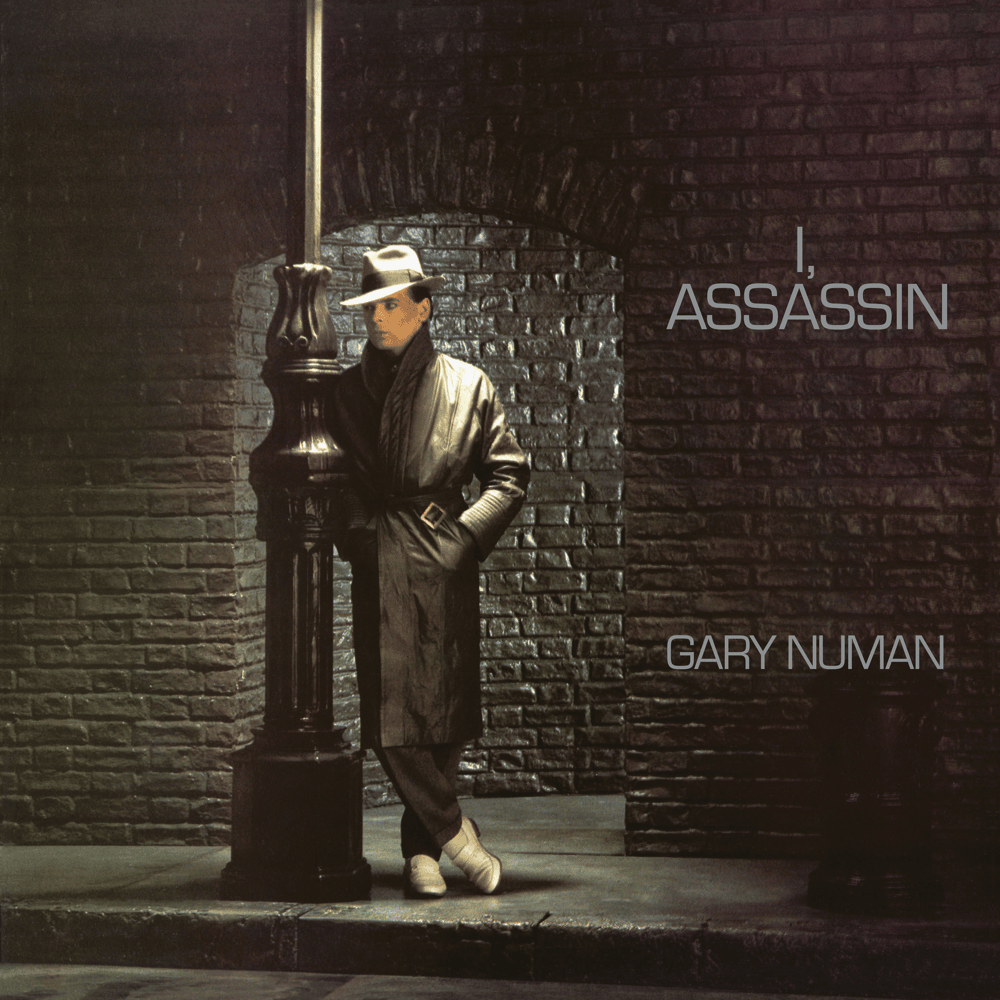
 View Artist