Song Meaning
The narrator feels utterly defined and controlled by another person, likening themselves to a "painted picture" and a "wild horse" that can only exist within the confines set by their beloved. This isn't just passive observation; the lyrics demand active creation: "Paint me with your hands," "Draw lines in the air," "Color me black and white." The speaker is asking to be shaped, to have their very essence rendered by the other.
The core tension lies in the paradox of wanting to be "wild" yet completely dependent, unable to "live in" any "city" without this controlling presence. This dependence is framed as a desperate need, a feeling of being "out of my mind" and "running out of time." The desire to be "framed" on a "living room wall" underscores the wish for a permanent, visible, and perhaps possessive, place in the other's life, even if it means sacrificing autonomy.
The most striking craft element is the persistent visual metaphor of art and confinement. The speaker is not just a subject but an object to be manipulated, "painted," "drawn," and "colored." This artistic framing extends to their inner state, suggesting a life of "desperation and poetry" that is ultimately "laid on broken glass." The repetition of "I was a painted picture / I was a wild horse" hammers home the dual nature of their identity: something beautiful and untamed, yet entirely subject to the artist's will and the viewer's gaze.
This lyrical construction is effective because it taps into a deep-seated anxiety about identity and belonging. The specific, almost claustrophobic imagery of being framed and colored, combined with the raw declaration of needing another to simply exist, creates a potent emotional landscape. It’s the feeling of being both intensely seen and completely erased, a desperate plea for validation that comes at the cost of selfhood.
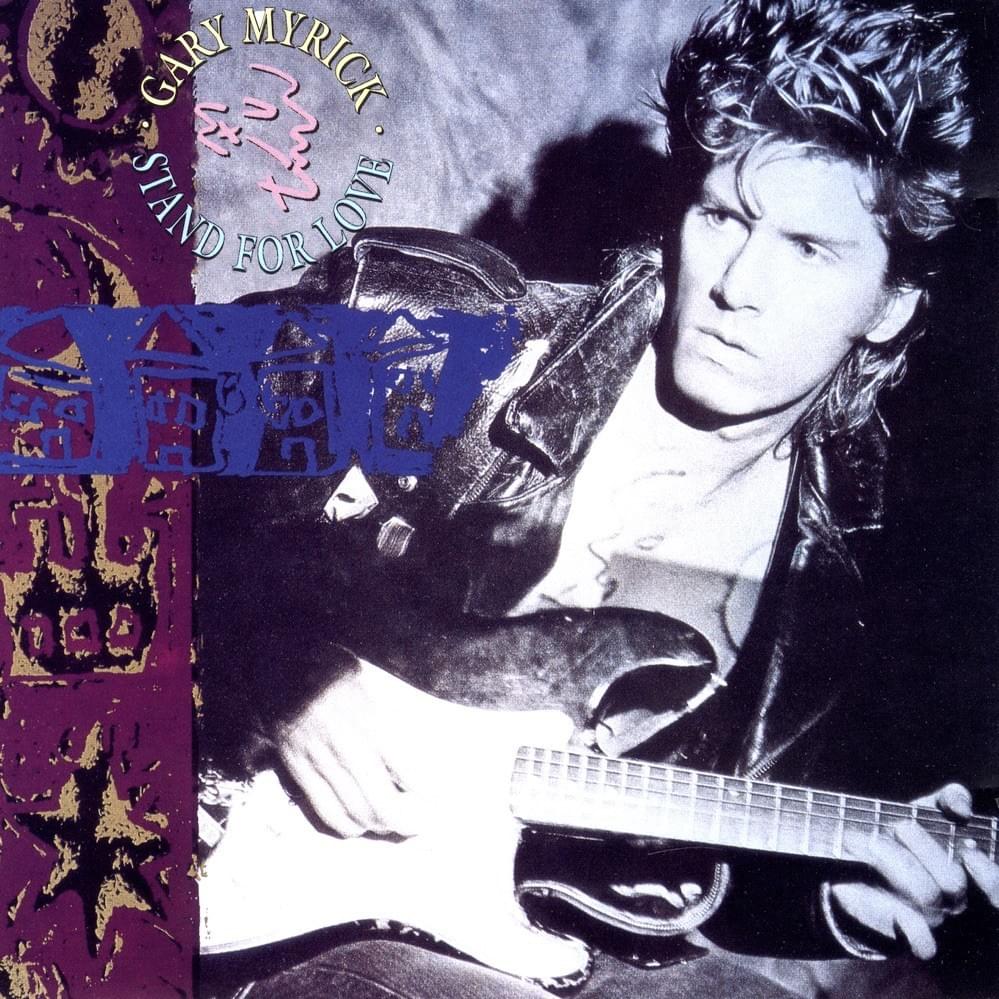
 View Artist