Song Meaning
Gary Moore's "Where Did We Go Wrong?" isn't just another blues lament; it's a primal scream echoing through the chambers of a disillusioned heart. The song circles back to the genesis story – "Ever since it all began, a woman and an only man" – not as a literal biblical retelling, but as an archetypal starting point. This Adam and Eve scenario becomes a loaded symbol for lost innocence and the original sin of disconnection. The core question, "Where did we go wrong?" isn't just a rhetorical query; it's a desperate plea for self-awareness, a grappling with humanity's apparent slide from altruism to self-interest. Moore isn't pointing fingers outward; he's turning the gaze inward, acknowledging complicity in a world increasingly defined by taking rather than giving. The repetition of this central question underscores a profound sense of helplessness, almost as if the answer remains tantalizingly out of reach.
The song's power resides in its simplicity, mirrored in the cyclical structure. The lyrics paint a picture of a world growing older, yet simultaneously, colder of heart. It's a world where "every teardrop falls a shining star," a poignant image suggesting that even in our collective sorrow, there's a glimmer of lost beauty and potential. This juxtaposition of despair and hope creates a compelling tension, reflecting the internal conflict of someone wrestling with their place in a fractured world. Moore's lyrics aren't offering easy solutions or saccharine platitudes. Instead, he's inviting listeners to confront the uncomfortable reality of our shared responsibility.
Ultimately, the song meaning of "Where Did We Go Wrong?" is less about pinpointing a specific error and more about acknowledging a systemic drift. It's a reflection on the cumulative effect of countless small choices, the daily compromises that have eroded our collective empathy. Moore understands that the problem isn't simply "out there" in the political sphere or societal structures; it's embedded within each of us. The song’s resonance stems from its capacity to articulate a universal anxiety—the fear that we've strayed too far from our best selves, and the urgent need to rediscover the path back.
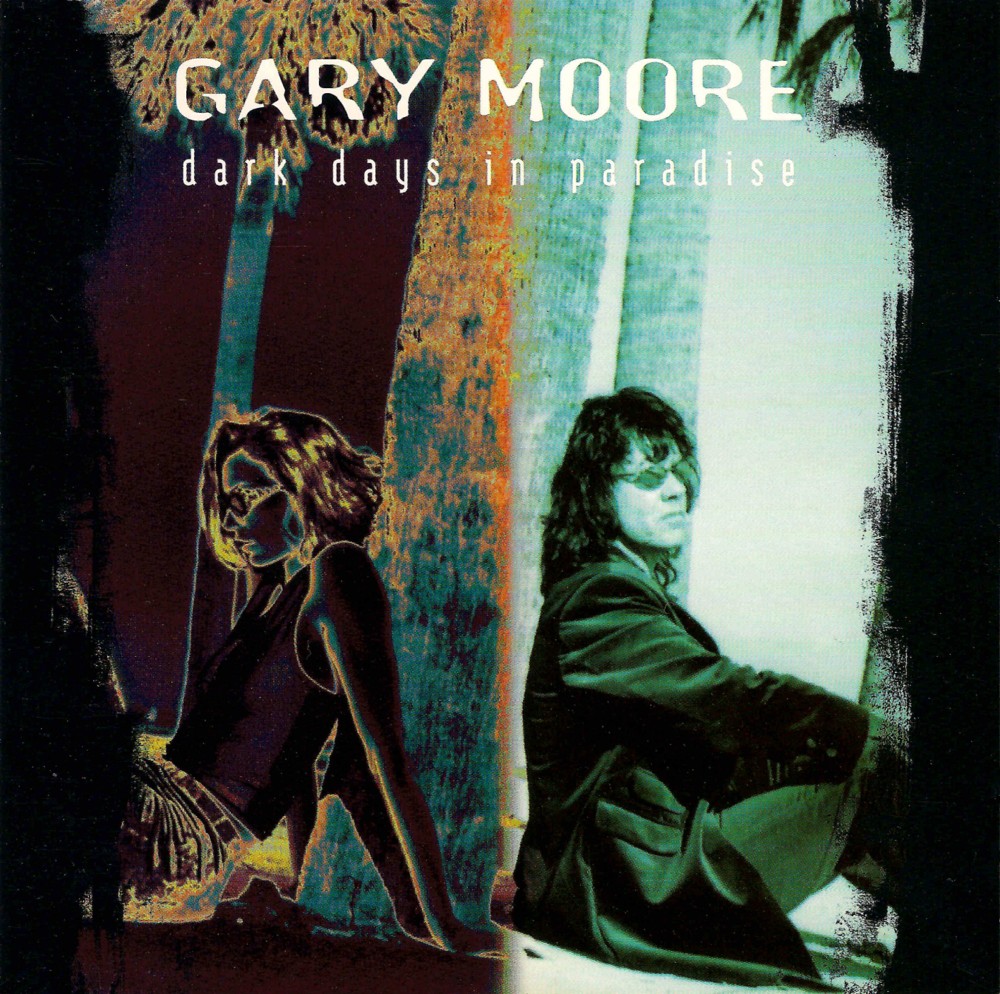
 View Artist