Song Meaning
Gary Moore's "Strangers in the Darkness" isn't just a bluesy lament; it's a stark portrait of urban alienation, painted with the grit and shadows of a film noir. The song meaning revolves around the pervasive sense of isolation experienced by individuals adrift in the anonymous expanse of city life. Moore doesn't offer sweeping social commentary, but rather zooms in on specific characters – a man haunted by an internal emptiness and a young woman driven to desperation. These are not exceptional cases, Moore implies, but rather representative figures, "strangers in the darkness" whom we "see...everywhere." Their stories, though distinct, are united by a common thread of despair and a palpable sense of being unseen, unheard, and uncared for. The song becomes a mirror reflecting back our own potential complicity in this social disconnect.
The recurring image of "strangers in the darkness" evokes more than just physical obscurity; it speaks to the emotional and psychological shadows that envelop these characters. The darkness symbolizes their hidden struggles, their unspoken pain, and the societal blindness that allows their suffering to persist. The man who "turns away / To hide his eyes from those he meets" embodies the shame and self-imposed isolation that often accompany mental anguish. Similarly, the young woman who "sells her fading beauty" represents the exploitation and loss of innocence that can occur when individuals are forced to the margins. The lyric "Why is it no one seems to care?" isn't just a question, but a damning indictment of a society that prioritizes individual advancement over collective well-being.
Ultimately, "Strangers in the Darkness" succeeds because it taps into a primal fear: the fear of being alone, forgotten, and insignificant. Moore's blues-infused vocals and melancholic guitar work amplify the song's emotional weight, creating a listening experience that is both haunting and deeply empathetic. The song's power lies in its ability to force us to confront the uncomfortable reality that the "strangers in the darkness" are not simply figures in a song, but real people whose lives are shaped by the forces of poverty, addiction, and social indifference. The song meaning asks listeners to consider their role in perpetuating, or alleviating, that darkness.
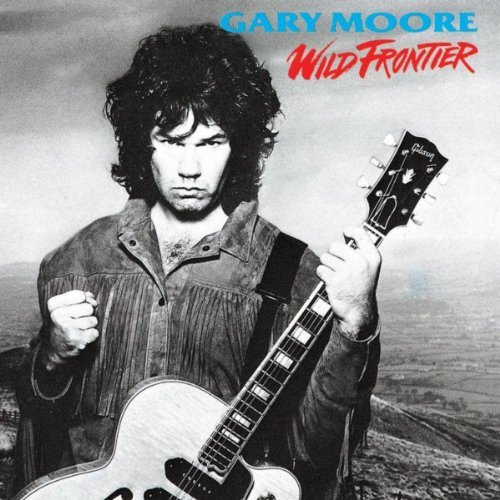
 View Artist