Song Meaning
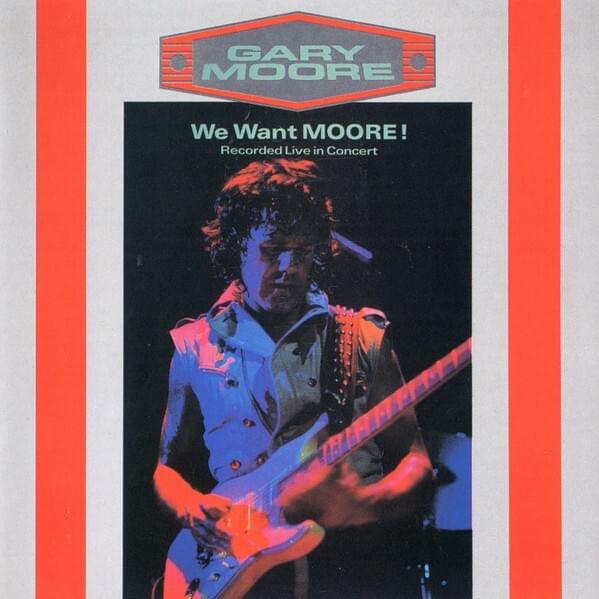
Gary Moore's live rendition of "Shapes of Things" isn't just a cover; it's a blistering indictment of cyclical disillusionment. The song, regardless of its original author, functions as a lament for a world perpetually on the brink, where the 'shapes of things'—the looming realities of conflict and decay—breed only contempt. It's a question hurled into the void: can humanity ever learn, or are we doomed to repeat the same destructive patterns? The rawness of a live performance amplifies this existential dread, transforming the song into a desperate plea for progress. Moore's guitar wails the unspoken anxieties of a generation facing an uncertain future.
The lyrics themselves are deceptively simple, built around recurring motifs of time and perception. The refrain, 'Come tomorrow, will I be older? Maybe a soldier?' encapsulates the fear of being swept up in forces beyond one's control, of losing innocence and autonomy to the machinery of war. It’s a deeply personal anxiety intertwined with a broader societal critique. The juxtaposition of natural imagery—'trees are almost green'—with the encroaching darkness highlights the fragility of beauty in a world teetering on the edge. This isn't just about physical destruction; it's about the erosion of hope and the corruption of the human spirit.
Ultimately, the song meaning of "Shapes of Things," especially in Moore's interpretation, rests on its potent blend of fatalism and yearning. The question, 'Will time make man more wise?' hangs heavy in the air, unanswered. There's a sense that wisdom isn't guaranteed, that it requires conscious effort and a willingness to confront the 'shapes of things' without succumbing to despair. The live setting underscores this urgency; it's a call to action, a reminder that the future isn't predetermined, but rather shaped by the choices we make today. The song becomes a mirror reflecting our collective anxieties and a challenge to break free from the cycles of history.
 View Artist