Song Meaning
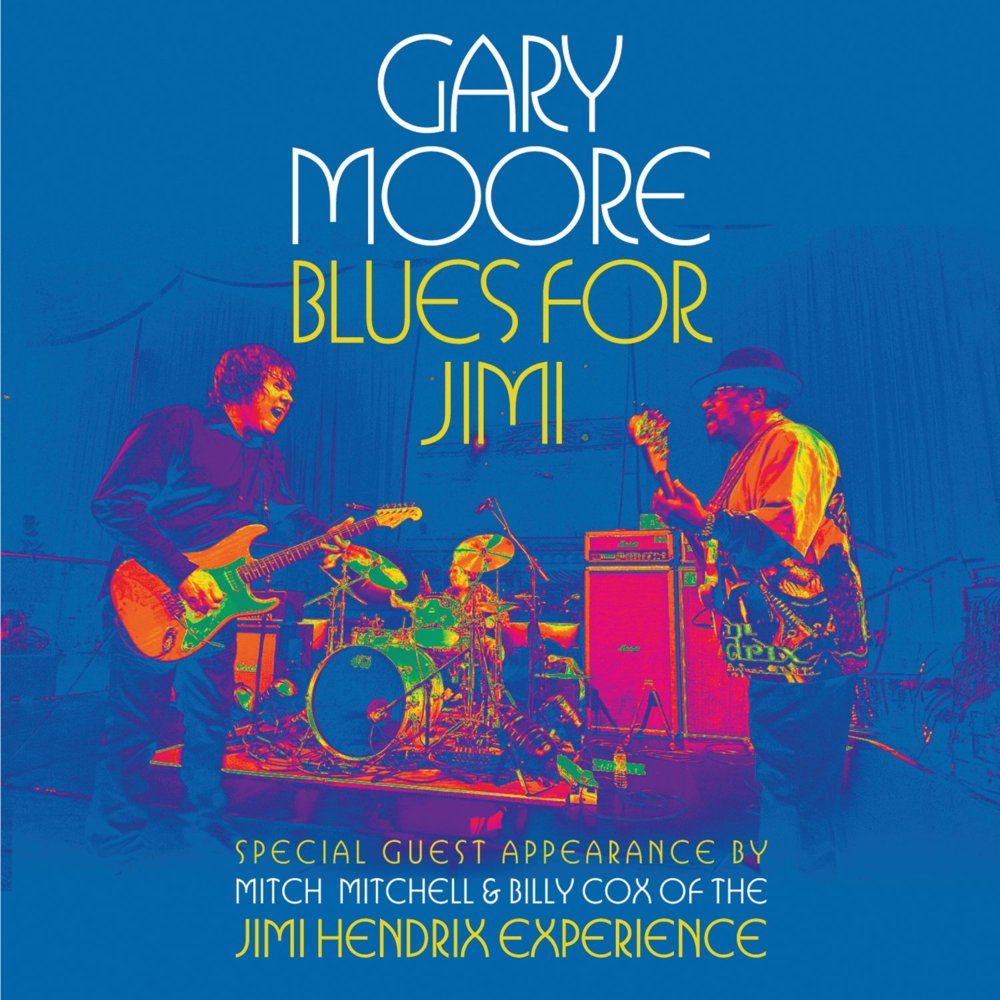
Gary Moore's rendition of "Purple Haze" isn't just a cover; it’s a visceral exploration of disorientation and infatuation, filtered through the lens of his signature blues-rock intensity. The song's enduring power stems from its psychedelic ambiguity, a haze of sensory overload where the lines between reality and perception blur. Moore doesn't simply replicate Jimi Hendrix's iconic track; he injects it with a raw, almost desperate energy that underscores the lyrical themes of confusion and enchantment. The opening lines, "Purple Haze was in my brain / Lately things don't seem the same," immediately establish a state of altered consciousness, a world where the familiar suddenly feels alien.
The central metaphor of "Purple Haze" serves as a potent symbol for both drug-induced experiences and the disorienting effects of intense romantic obsession. The lyrics hint at a loss of control, a sense of being swept away by forces beyond comprehension. "Don't know if I'm coming up or down / Am I happy or in misery?" encapsulates this emotional seesaw, the push and pull between euphoria and despair that often accompanies intense experiences. Moore's guitar work amplifies this sense of turmoil, his soaring solos and bluesy bends mirroring the protagonist's internal struggle.
Ultimately, the song's meaning resides in its ability to capture the universal experience of being overwhelmed, whether by love, substances, or the sheer complexity of existence. The recurring motif of disorientation—"Purple Haze all around / Don't know if it's day or night"—underscores the idea that sometimes, the world can feel like an incomprehensible, psychedelic blur. It's a testament to the song's enduring appeal that it continues to resonate with listeners across generations, each finding their own interpretation within its hazy depths. The plea, "'Scuse me while I kiss the sky," becomes not just a flippant farewell, but a surrender to the unknown, a leap of faith into the intoxicating abyss.
 View Artist