Song Meaning
Gary Jules's "Dtla" isn't just a song; it's a sonic postcard from a city of contradictions, a place where dreams and disillusionment dance a perpetual tango. The lyrics paint a surreal, almost hallucinatory portrait of Downtown Los Angeles, a landscape populated by 'towers floating on a sea of ghosts.' This opening image immediately sets the tone: a juxtaposition of the tangible (towers) and the intangible (ghosts), suggesting a city built on memories, ambitions, and perhaps, lost souls. The reference to seeing 'the Parthenon on cotton clouds' is a striking image, hinting at a distorted, idealized vision of Los Angeles, a city that constantly reinvents itself, often at the expense of its own history. The repetition of 'Ride - Downtown Los Angeles' acts as a hypnotic mantra, pulling the listener deeper into this urban dreamscape. It suggests both physical movement through the city and a surrender to its chaotic energy. But what does this 'ride' really mean? Is it a search for something, an escape, or simply a passive acceptance of the city's rhythm?
The song's lyrical fragments contribute to its enigmatic charm. The lines about trapping a dragon west of Chinatown and a sister taking a picture of God add layers of surrealism and whimsy. These images evoke a sense of wonder and the possibility of magic amidst the urban grit, but also a feeling of detachment and perhaps a coping mechanism against the harsh realities of city life. The lines, 'When your hands are broken, When your words are slipping, Put your arms around him, And go... down' offer a moment of stark vulnerability. It's a call for human connection in the face of personal struggle, an acknowledgment of the city's ability to both isolate and unite. The instruction to 'hide your money in the other hand' speaks to the city's inherent dangers and the need for self-preservation.
Ultimately, the song meaning of "Dtla" resides in its ambiguity. Gary Jules doesn't offer easy answers or a straightforward narrative. Instead, he presents a series of vivid impressions, inviting the listener to piece together their own interpretation of this complex urban environment. "Dtla" becomes a mirror reflecting our own perceptions, desires, and anxieties about city life, and the search for meaning within it. The recurring phrase, 'It's always the same, I told you', suggests a cyclical nature to the city's allure and its disappointments, a constant return to the same hopes and struggles. It is Gary Jules' ode to the city's beautiful decay.
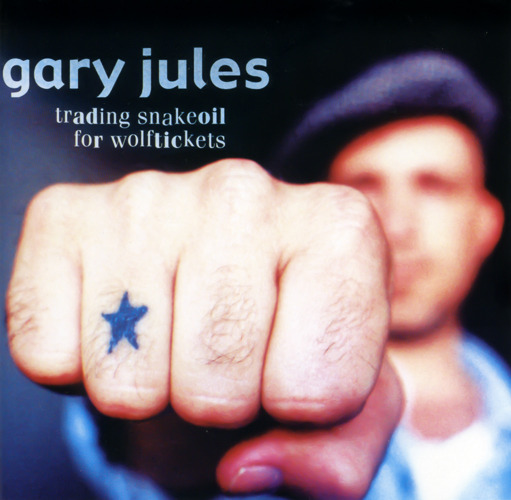
 View Artist