Song Meaning
The lyrics paint a stark picture of destruction and its aftermath, beginning with the literal collapse of something once beautiful. "Stone by stone / Cracked, crushed, fallen" immediately establishes a scene of ruin. Yet, this devastation isn't presented as an endpoint; the phrase "But not forgotten" introduces a persistent undercurrent of memory and perhaps a refusal to let the destruction be the final word. The narrator then seems to absorb the essence of what was lost, taking "melodies" and the "last breath" of the defeated, turning them into "embers" they can "inhale." This act suggests a transformation of grief and loss into a potent, internalized force.
The central tension here is the narrator's immersion in the "fires of war," a state of perpetual conflict and retribution. They stand "In their blood," a visceral image of being deeply entangled in the violence. The repetition of "Sun up, sun down" emphasizes the relentless, cyclical nature of this existence, a "killing wheel" that offers no respite. This isn't just about a single battle; it's about a sustained, consuming engagement with conflict, where the narrator's own "time burns away" and "embers fade to grey."
The most striking craft element is the narrator's embrace of a primal, almost animalistic drive for vengeance. The image of carrying "in my teeth like an animal" is particularly potent, suggesting a raw, instinctual pursuit of retribution that fuels their strength. This contrasts sharply with the "waning light of man," implying that this deep-seated vengeance is perhaps a more fundamental, albeit brutal, force than civilized existence. The shadow cast on the "fires of war" signifies a profound, inescapable connection to this destructive cycle.
Ultimately, these lyrics resonate because they articulate a powerful, albeit dark, response to profound loss. The narrator doesn't just mourn; they internalize the destruction and channel it into a fierce, consuming drive for vengeance. The meticulous detail of the destruction and the relentless cycle of conflict create a palpable sense of inescapable consequence, making the narrator's grim resolve feel both deeply personal and tragically inevitable.
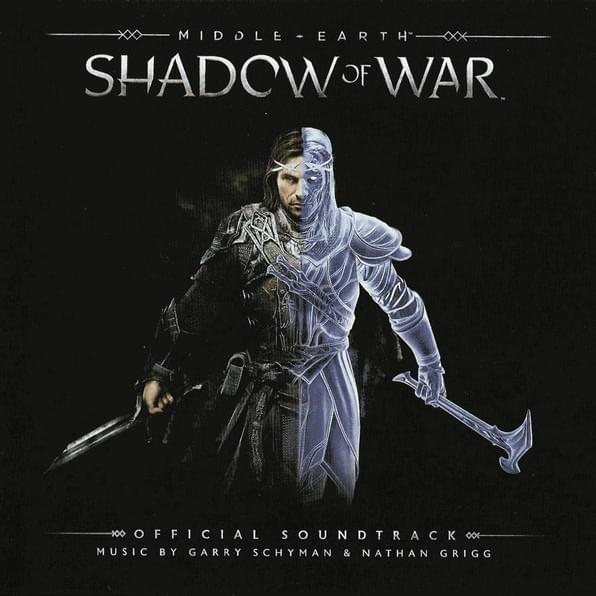
 View Artist