Song Meaning
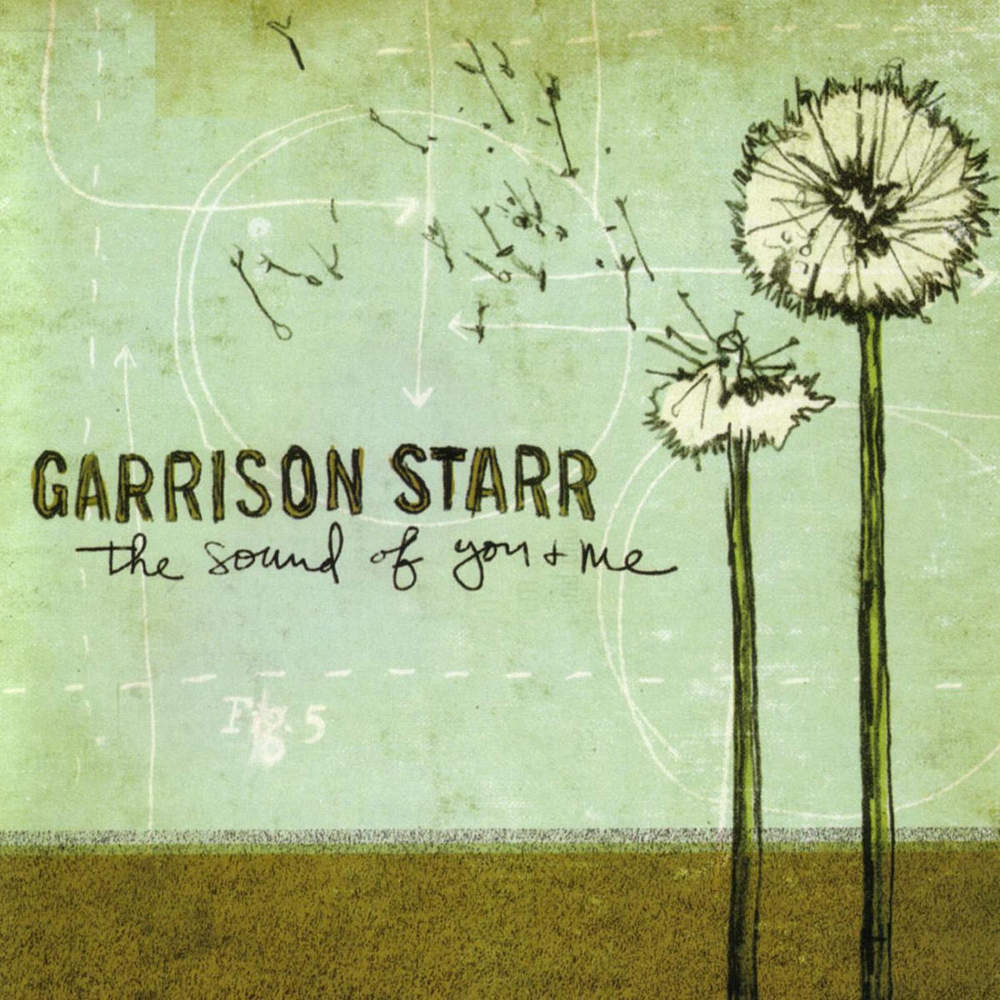
Garrison Starr's "Let Me In" isn't just a plea; it's a dissection of relational estrangement, a raw and vulnerable look at the space between two people who were once intimately connected. The opening lines, "Open the door, let me in/You know I know you said/You and me never look this way," immediately establish a sense of irreversible change and a painful awareness of a lost ideal. The repetition of "You and me" underscores the initial bond, now fractured and viewed through a lens of regret. The speaker acknowledges a previous promise of permanence, contrasting sharply with the current reality of being locked out. The repeated request to "Leave the light on" functions as more than a practical request. It's a desperate hope for recognition, a beacon signaling a desire to return to a place of safety and belonging. The light represents the possibility of reconciliation, a fragile flame against the darkness of separation.
Delving deeper into the lyrics analysis, Starr explores the emotional landscape of the person on the other side of the door. The lines "You look lost and incomplete/Happiness underneath/Is gasping for a breath" suggest that the separation has taken a toll on both parties. There's an implied understanding that happiness is being suffocated, buried beneath layers of pain and unresolved issues. This shared suffering adds complexity to the plea, suggesting that reconciliation isn't just about personal desire but also about recognizing the other person's vulnerability. The rawness of "Open the sores, watch them bleed" is a powerful metaphor for confronting past hurts. It speaks to a willingness to expose vulnerabilities, to endure pain in the hope of healing and rebuilding trust. This isn't about assigning blame but about acknowledging shared responsibility for the current state of affairs.
The repeated phrase "This is the air we breathe" grounds the song in the present moment, a shared reality that persists despite the distance. It's a reminder that even in separation, there's an undeniable connection, a shared history that continues to shape their identities. The final repetition of "Were you inside waiting close by all alone?" amplifies the song's central question and its inherent ambiguity. Is the other person truly waiting, longing for reconciliation, or has the distance become irreparable? The song offers no easy answers, instead leaving the listener to grapple with the complexities of human connection, the pain of separation, and the enduring hope for reconciliation. The song meaning ultimately hinges on the listener's own experiences with loss and longing, transforming it into a deeply personal reflection on the nature of relationships.
 View Artist