Song Meaning
Garland Jeffreys' "Jump Jump" is a deceptively simple anthem, a burst of joyful rebellion against the weight of high culture and historical expectation. The song operates as a kind of art-historical tour of Paris, name-dropping Victor Hugo, *Les Miserables*, Van Gogh, Notre Dame, Monet, and Cézanne. But rather than reverently bowing before these cultural monuments, Jeffreys yearns for something more immediate, more visceral. The litany of artistic icons becomes almost suffocating, a reminder of the past's imposing presence. He acknowledges the greatness, the profound impact of these figures and places, but pointedly declares, "I'm not in the mood." It’s not disrespect; it's a craving for something lighter.
The repeated mantra of "Jump jump" becomes the escape route. It's a call to shed the seriousness, to momentarily abandon the intellectual and emotional demands of art for art's sake. The "great escape" isn't from culture itself, but from the pressure to constantly perform reverence. Jeffreys offers a vision of inclusivity: "For you and me and everyone." The jump isn't a solo act; it's a collective liberation from the burden of artistic obligation. He toasts the "rock 'n' roll Rimbauds," aligning himself with a tradition of artistic iconoclasm, celebrating those who dared to break from convention and embrace raw, unfiltered expression.
Ultimately, “Jump Jump” is a celebration of the individual's right to experience joy and spontaneity, even within the context of profound artistic and historical legacies. It's a reminder that engagement with art doesn't always have to be a solemn affair; sometimes, the most meaningful response is simply to jump. The song’s meaning resides in its insistent, almost childlike, invitation to embrace the present moment, to find delight in the here and now, without feeling beholden to the past's artistic giants. It's a permission slip to find your own Rimbaud, to create your own rules of engagement with the world.
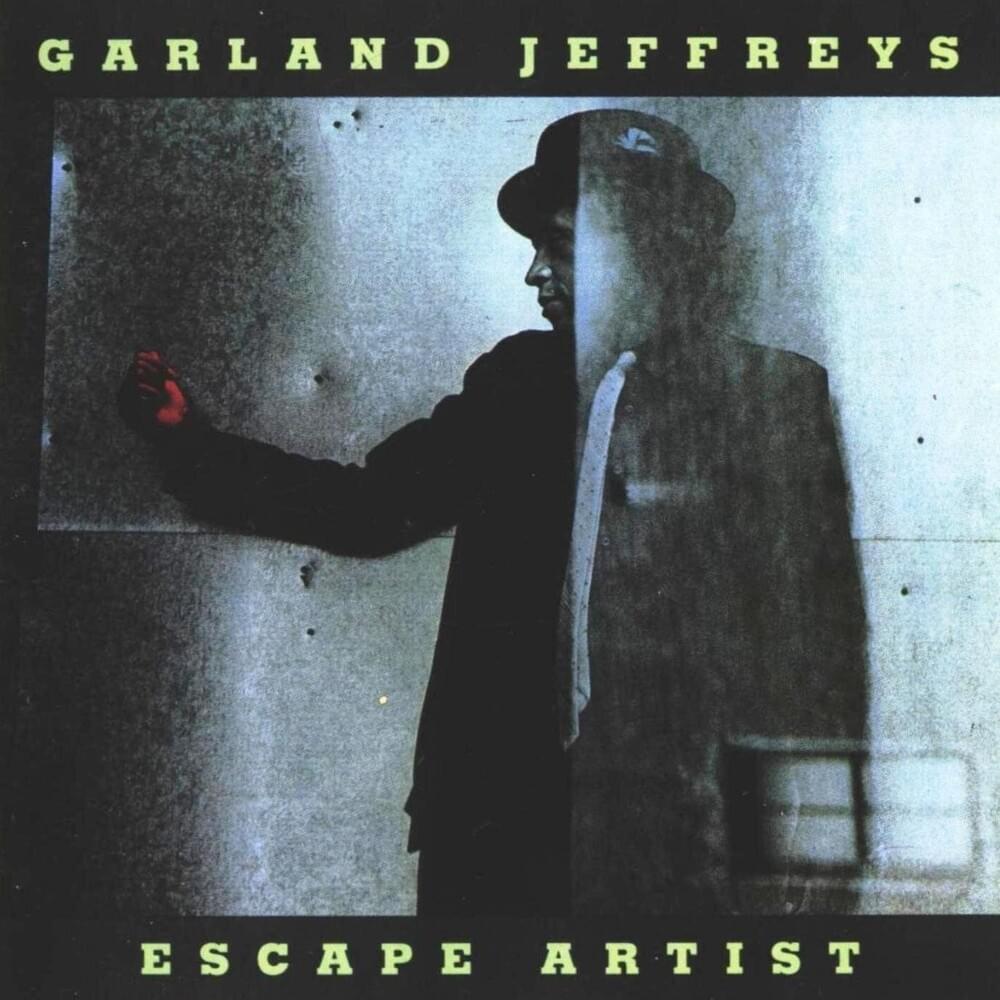
 View Artist