Song Meaning
The narrator is deep in despair, a state so profound that the lines between right and wrong blur. This isn't just a bad mood; it's a full-blown crisis, marked by a whole night of "rolled and tumbled and cried." The intensity of this emotional state is immediately established, setting a tone of deep, almost disorienting sorrow.
The central crisis revolves around a missing "dough roller," a seemingly mundane object that carries immense weight. The question, "Have you ever woke up then, and found your dough roller gone?" suggests this loss is a specific, devastating event. The narrator's reaction – wringing hands and crying "oooo" – emphasizes the helplessness and prolonged anguish this absence causes, turning a day into an extended period of grief.
The lyrics pivot to a more defiant, yet still sorrowful, tone when the narrator addresses his "woman." He warns her not to let anyone tear down the "old barrelhouse," implying it's a place of significance, perhaps their home or a place of shared memories. This plea is followed by a chilling promise of future retribution: "your trouble's gonna come some day." This shift introduces a complex mix of vulnerability and simmering anger, suggesting the loss of the dough roller is tied to betrayal or neglect.
This song hits hard because it takes a tangible, almost absurd loss – a missing dough roller – and imbues it with the weight of profound emotional desolation and potential betrayal. The repetition of the core phrases amplifies the narrator's obsessive state, while the final lines reveal a darker undercurrent of vengeance. It’s the stark contrast between the simple imagery and the intense, unresolved emotional fallout that makes the blues so potent here.
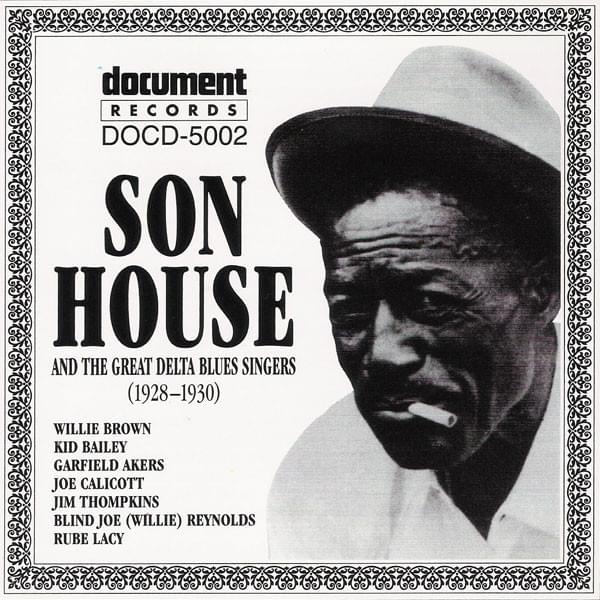
 View Artist