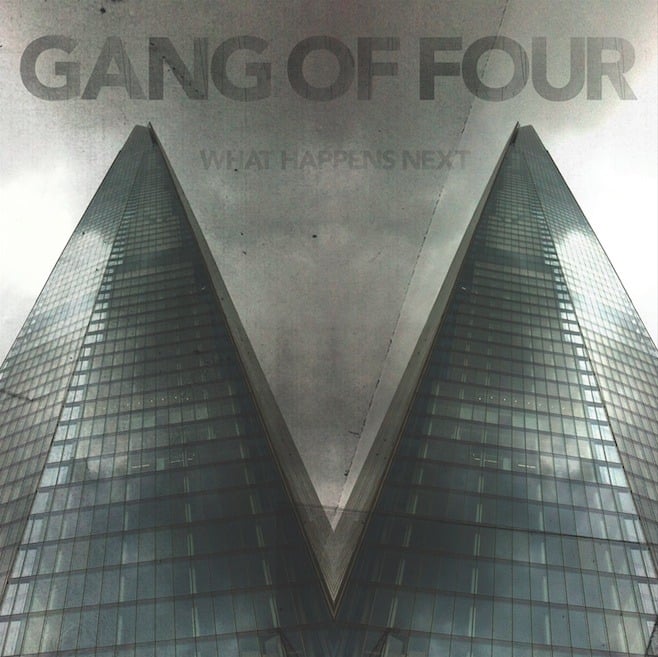
Song Meaning
The lyrics paint a picture of profound isolation and a fractured sense of self, rooted in a specific, yet undefined, "England." The narrator feels "unknown" and "gutted," talking to themselves amidst "broken" windows, suggesting a life in disarray. This internal chaos is juxtaposed with a deep, almost biological connection to "England," a phrase repeated like a mantra, implying it's an inescapable part of their identity, even as their immediate surroundings crumble and accusations fly about something "stolen."
The central tension arises from this duality: a feeling of being fundamentally alone and adrift, yet inextricably tied to a place or concept that seems both foundational and perhaps oppressive. The narrator claims "no one taught me to think like me," and they "make it up on my own," highlighting a struggle for self-definition against an unknown external force or internal void. This self-reliance, however, feels less like empowerment and more like a desperate necessity born from a lack of guidance or belonging, amplified by the slow passage of time where "hours go" agonizingly.
The most striking craft element is the persistent, almost obsessive repetition of "England's in my bones." This phrase elevates a geographical or national identity into something visceral and inherent, like a physical ailment or a genetic trait. It’s a powerful anchor in a narrative otherwise characterized by instability – broken windows, a stolen item, a "sex-text on my phone," and a sense of having "nothing in my bag." The contrast between the internal, unshakeable "England" and the external, crumbling reality creates a potent emotional resonance, suggesting a deep-seated, perhaps painful, inheritance.
This lyrical construction is effective because it taps into a universal feeling of being shaped by forces beyond one's immediate control, even when those forces are abstract or national. The specificity of "England" grounds the abstract feeling of existential unease, making the narrator's isolation feel both personal and tied to a larger, perhaps melancholic, cultural identity. The raw, confessional tone, coupled with the stark imagery, makes the listener question the nature of belonging and the weight of one's origins.