Song Meaning
The lyrics paint a stark picture of a relationship's twilight, where a "final stand" is being made after enduring "hardest of circumstance." The initial lines suggest a shared past where things devolved from good to dark, a process the narrator feels is "sad to blame." There's a palpable sense of regret and a longing for what might have been, particularly concerning a potential child who would have been "so loved" and had a father figure. This hypothetical future, now lost, hangs heavy over the present situation.
The central tension lies in the narrator's desperate attempts to communicate and connect, expressed through the repeated, raw plea, "So I cry out." This cry is met with a partner's withdrawal, symbolized by "you hide your eyes" and "you cannot look in my eyes." The physical act of holding hands while avoiding eye contact highlights a profound emotional disconnect, a chasm between the narrator's urgent need for acknowledgment and the partner's inability or unwillingness to fully engage.
The imagery of the "moon holds the tiniest eye" juxtaposed with the narrator's overwhelming cry is particularly striking. It suggests a vast, indifferent universe observing a deeply personal tragedy. The lines "But whose to choose / Who will grow / Who will die" introduce a philosophical, almost fatalistic element, questioning the arbitrary nature of life and fate, which seems to amplify the feeling of helplessness in their current situation.
Ultimately, the effectiveness of these lyrics stems from their raw, unvarnished portrayal of relational breakdown and unspoken grief. The repeated "cry out" becomes an anthem for unheard pain, while the partner's silent, averted gaze speaks volumes about the depth of their shared, yet unbridgeable, sorrow. The narrator's final wish, "I wish that I felt differently," encapsulates the profound sadness of recognizing a love that can no longer bridge the divide.
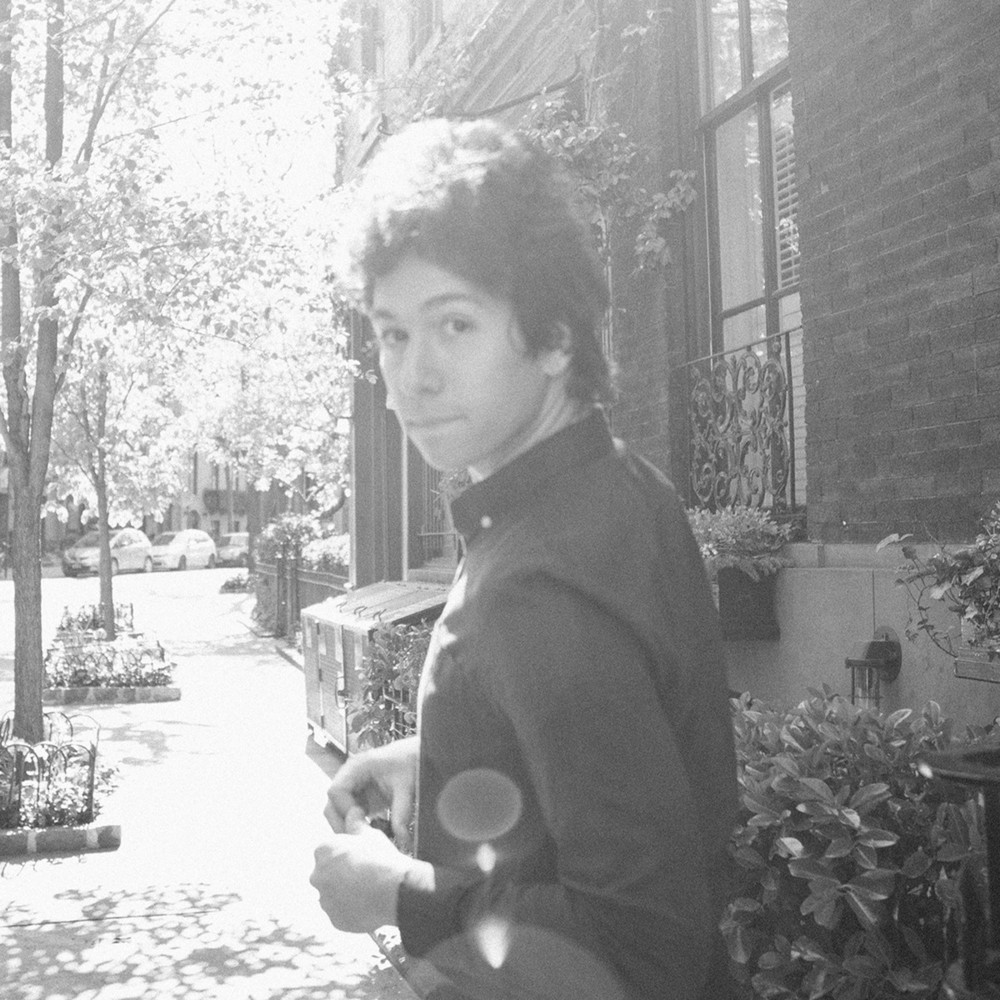
 View Artist