Song Meaning
The lyrics paint a stark picture of a man driven by a singular, destructive impulse. He's on a one-way trip downtown in a stolen car, trading the natural light of stars for the harsh glare of streetlights, a visual metaphor for his descent into a darker reality. His eyes hold a desperate, almost nihilistic gaze, suggesting a complete detachment from self-preservation. This isn't just a bad day; it's a calculated, violent act fueled by a need for retribution.
The central theme is undeniably revenge, hammered home by the relentless repetition of the word in the chorus. The narrative quickly shifts from the driver's internal state to the brutal execution of his plan. The mention of specific firearms, a .45 and a .44, grounds the violence in grim detail, and the chilling line "That's why you're laid out on the floor" confirms the act has already occurred or is in progress. The narrator's actions are described with chilling efficiency, "Cut through the crowd like a Stanley knife," emphasizing a cold, precise brutality.
The most striking aspect is the complete absence of remorse or hesitation depicted. The lyrics state plainly, "He's got no conscience, got no shame," and chillingly add, "Give him the chance he'd kill again." This isn't a crime of passion; it's a sustained, almost professional level of violence. The breakdown's urgent "Run for your fucking life" amplifies the immediate danger, while the bridge's "pig-style revolution" and "feed the rumours" suggest a chaotic, almost anarchic event that sparks further unrest, turning a personal vendetta into a wider, destructive force.
What makes these lyrics hit so hard is their unflinching portrayal of pure, unadulterated vengeance. The writing doesn't offer sympathy or justification, instead focusing on the raw, destructive energy of the act itself. The contrast between the stolen car and the streetlights, the specific gun calibers, and the chilling finality of the victim being "laid out on the floor" create a visceral, almost cinematic experience. The repetition of "Revenge" and the final "Pig-Style Revolution" leave the listener with a sense of inescapable, escalating violence.
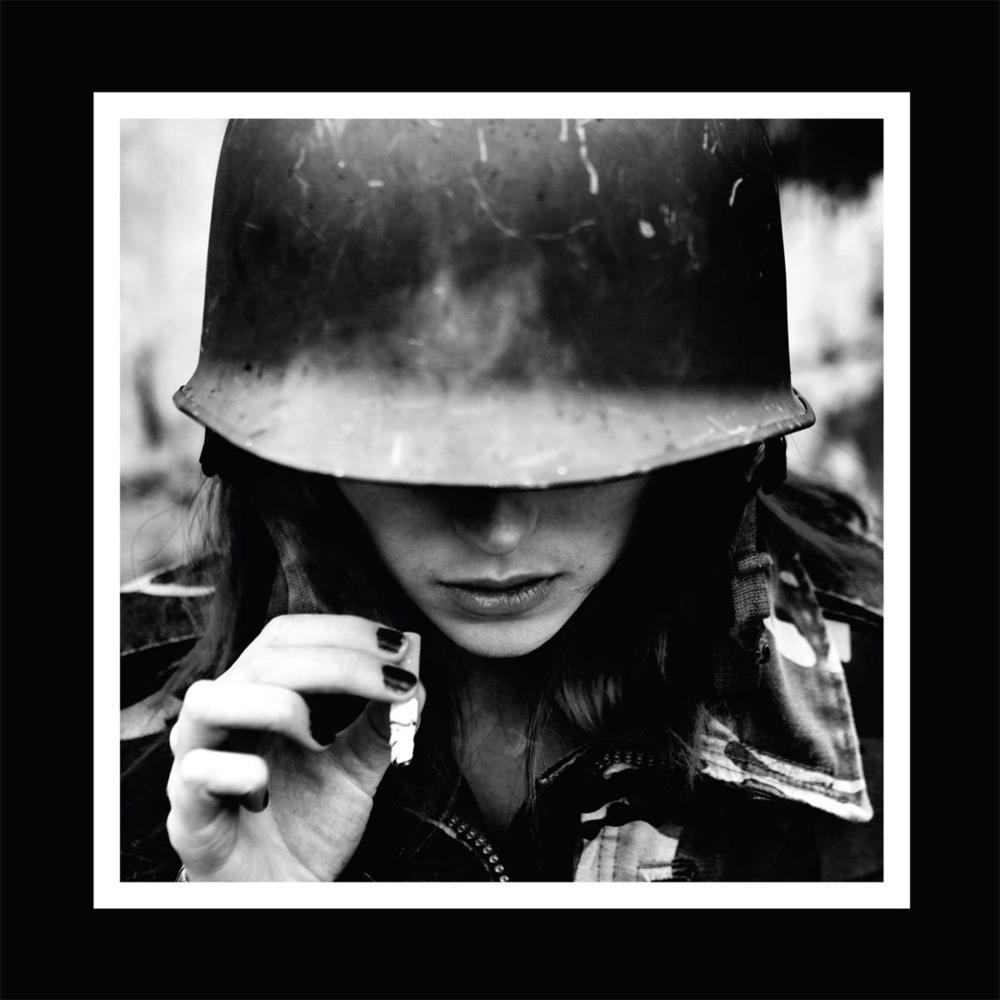
 View Artist