Song Meaning
The lyrics paint a picture of a sheltered young man whose world is dramatically expanded by a figure named Willie. Initially stepping out of formal education, the narrator finds himself an "educated fool" crossing "graveyard gates," suggesting a transition into a harsher, more real-world experience. Willie, in contrast, possesses an intuitive wisdom, reading "the winds and tides" and offering "a thousand tales of life," acting as a mentor who guides the narrator through unfamiliar and somber territory. This mentorship is not just theoretical; it involves practical, grim lessons like learning "the graveyard wakes" and participating in the somber ritual of laying "the soul to rest."
The central tension lies in the narrator's transformation from a naive, book-learned individual to someone who has gained profound, albeit difficult, life experience through Willie's influence. The graveyard serves as a potent, recurring image, symbolizing not just death but the stark realities of existence that Willie helps the narrator confront. The contrast between the narrator's initial sheltered state and his later understanding, gained through these graveyard experiences, highlights the depth of Willie's impact. Willie's philosophy, encapsulated in "a needless tear falls on nature's head," suggests an acceptance of life's natural cycles, a lesson the narrator internalizes.
The most striking aspect of the craft is the juxtaposition of formal education with visceral, life-and-death lessons. The narrator could "read and write," but Willie taught him to understand the deeper currents of existence. The repeated phrase "graveyard gates" acts as a threshold, marking the passage from innocence to experience. The final lines, "Willie, your words and ways / Will cross the graveyard gates / Away, away, away, away," suggest that Willie's wisdom, like the narrator's own hard-won knowledge, transcends even the finality of death, echoing into the future.
This writing is effective because it grounds abstract growth in concrete, albeit grim, imagery. The narrator's evolution feels earned through the stark scenes described, particularly the shared act of "lay[ing] the soul to rest." Willie isn't just a wise elder; he's a guide through the most profound and difficult aspects of life, making the narrator's eventual self-possession feel deeply resonant. The lyrics capture the profound impact a true mentor can have, shaping one's understanding of life and death through shared experience.
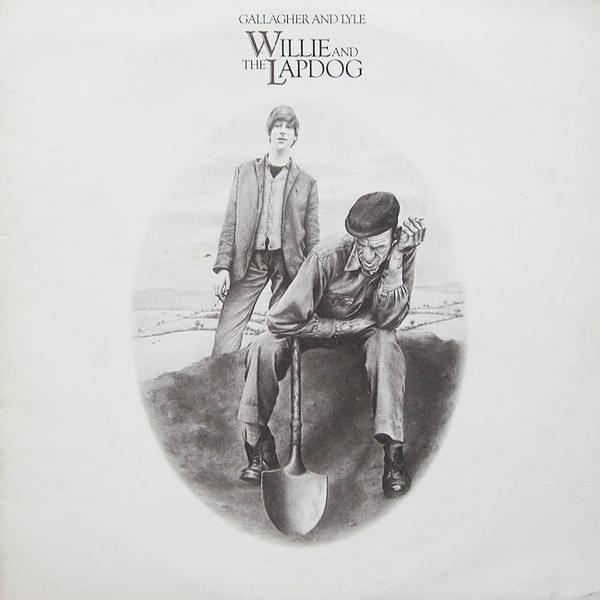
 View Artist