Song Meaning
The narrator is facing a painful separation, acknowledging that the relationship has reached its end. There's a palpable sense of regret and a confession of personal failing. The repeated phrase "it's the parting of the ways" sets a somber, definitive tone right from the start. The speaker feels they haven't been able to communicate effectively, leading to missed opportunities and a growing distance. This isn't a story of betrayal, but of a love that couldn't quite bridge the gap, leaving the narrator with a heavy heart and a laundry list of 'should haves.'
The core tension lies in the narrator's self-blame and the acknowledgment of a love that wasn't fully realized. They express a desire to have done more, to have communicated better, and to have offered more support. The lines "I could have loved you better" are a direct admission of shortcomings, a lament for what might have been. This internal conflict between what was and what could have been fuels the emotional weight of the track, painting a picture of a love that faltered due to the narrator's own perceived inadequacies.
The most striking aspect of the lyrics is the persistent, almost obsessive repetition of "I could have loved you better." This refrain isn't just a catchy hook; it's the emotional anchor of the song, hammering home the narrator's regret. The contrast between the desire to express love and the inability to do so, highlighted by "the words, they don't come easy," creates a poignant image of a love that remained largely unspoken and unfulfilled. The narrator seems to understand the fundamental nature of love as a reciprocal act, stating "Love is giving, love is taking and loving in return," further emphasizing their feeling of having failed in that exchange.
Ultimately, the effectiveness of these lyrics stems from their raw, unvarnished honesty about relationship failure. The narrator doesn't point fingers or seek external validation; instead, they turn inward, dissecting their own role in the relationship's demise. This introspective approach, coupled with the simple yet powerful repetition of regret, makes the sentiment feel deeply personal and universally resonant for anyone who has experienced the ache of a love lost due to unspoken feelings or missed chances.
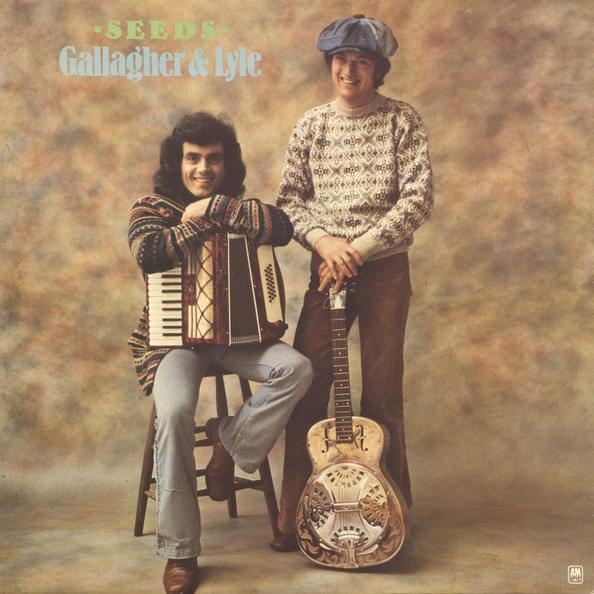
 View Artist