Song Meaning
The lyrics paint a stark picture of a seaside town in winter, where the "sobering winds" seem to mirror a contemplative mood. We see "old folks" with "memories and overcoats" passing by "old boats, sheltered from the storm," a scene that evokes a sense of quiet resignation and the passage of time. The narrator is clearly grappling with their own place in this cycle, contrasting their present with the past and future.
The central tension arises from the narrator's anxious contemplation of their own mortality and the potential fading of their own life into mere memory. The question, "And what shall become of me? Will I be seventy?" hangs heavy, juxtaposed with the grim image of "visiting graves." This fear is amplified by the possibility that "home" itself might become "a memory," "parchment dry, faded as the days." The narrator is caught between the vibrant, albeit sometimes difficult, past and an uncertain, potentially bleak future.
The most striking craft element is the deliberate, almost incantatory repetition of the word "days." It anchors the song, shifting from the "days as a boy" filled with "laughing my life away" to the more somber "days when I've been destroyed" and the ultimate fear of days becoming "faded." This linguistic anchor underscores the relentless march of time and the narrator's struggle to reconcile their lived experience with the inevitability of aging and loss.
Ultimately, the lyrics resonate because they tap into a universal human anxiety about legacy and the fear of being forgotten. The specific imagery of the coastal town and the aging residents grounds this existential dread in a tangible, melancholic setting. The final image of the narrator "Watching the sun set out to sea / Turning, I head back home" offers a moment of quiet acceptance, a return to the present, even as the underlying questions about time and memory linger.
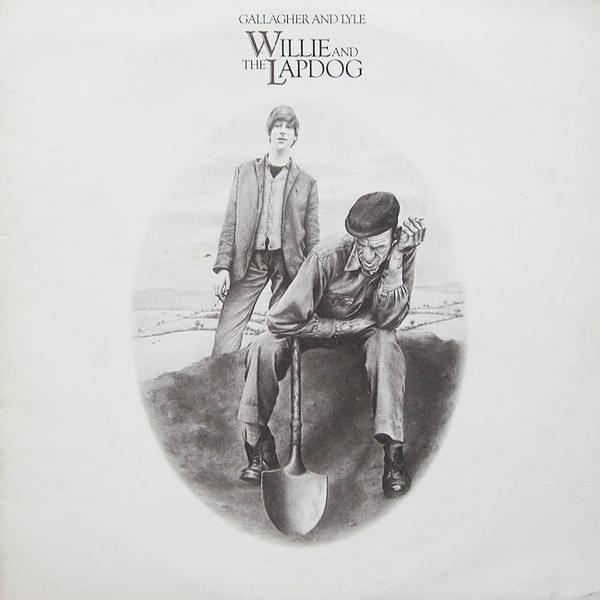
 View Artist