Song Meaning
The lyrics paint a vivid picture of returning to a cherished, perhaps childhood, street, where windows opening and memories blooming signal a powerful wave of nostalgia. The dominant tone is one of wistful remembrance, a gentle ache for days that felt simpler and more beautiful, evoked by the image of time itself slowly returning to its old home, a home that has been forgotten. This sense of a past self, residing in a place now obscured by time and the mundane details of rooftops, is palpable.
The central tension arises from the contrast between the enduring nature of the street and the passage of the narrator's life and loves within it. The street is a constant, a place where "our eyes watch," "our doves fly," and "our years pass," witnessing both "loves that cry and laugh." This juxtaposition highlights the bittersweet realization that while the physical space might remain, the moments and people are irrevocably gone, leaving only the echo of emotions.
A striking element is the personification of time and memory, which "slowly returns to its old home." This gentle, almost deliberate movement of time contrasts sharply with the narrator's own experience of years flying by. The lyrics also employ a powerful sense of place, anchoring abstract concepts like time and love to the concrete details of "your house's courtyard" and the "end of the street," suggesting that these memories are deeply embedded in the physical world.
What makes these lyrics resonate is their ability to capture the universal feeling of returning to a place that holds significant personal history. The writing skillfully blends the external setting with internal emotional states, making the street itself a repository of lived experience. The final lines, questioning what remains "if not love entirely yours," leave the listener with a profound sense of the enduring power of love, even as time and memory shift and fade.
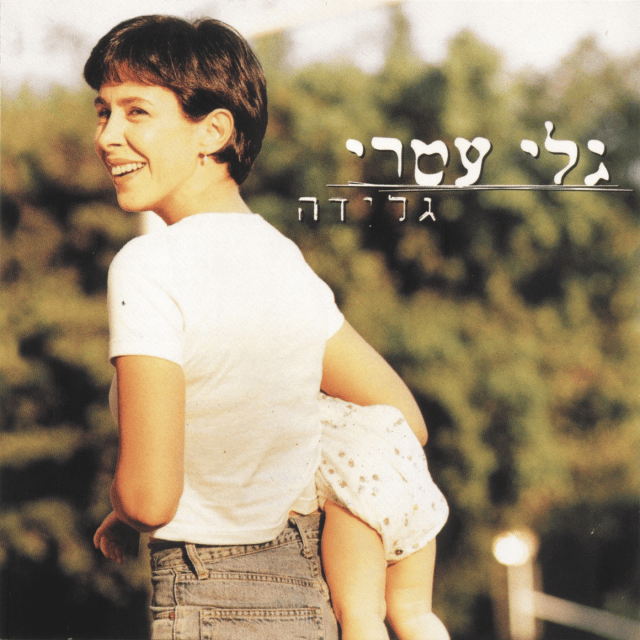
 View Artist