Song Meaning
The lyrics paint a stark picture of present disillusionment, where time itself feels suspended and unreal. The narrator describes closing their eyes not for rest, but to escape a reality where beauty is fading and experiences are reduced to "vacant frames." This internal landscape is a "blackened screen," an "empty theater" devoid of life, waiting for a dawn that never seems to arrive. The dominant tone is one of profound regret and a longing for a lost past.
The central tension arises from the stark contrast between the narrator's current state and a cherished memory of their youth. They express a desperate desire to "dream a young man's dream again," specifically reclaiming the "confidence to set aside the things that I have settled for." This yearning is so potent it elicits a paradoxical "tear of grief in joy," a complex emotional response to remembering a time of boundless possibility.
The most striking element is the narrator's self-perception of their younger self. This boy possessed an "arrogance" that fueled an unshakeable belief in his own potential, a stark counterpoint to the narrator's present resignation. This youthful hubris, once perhaps a source of frustration, is now viewed with wistful admiration, seen as the very engine of ambition that has since been lost.
Ultimately, the effectiveness of these lyrics lies in their raw portrayal of adult disillusionment through the lens of lost youthful idealism. The imagery of the "blackened screen" and the "vacant frames" powerfully conveys a sense of emptiness, while the plea to "dream again" resonates as a universal ache for the unburdened confidence of youth. It’s a poignant reflection on how settled compromises can dim the vibrant colors of past aspirations.
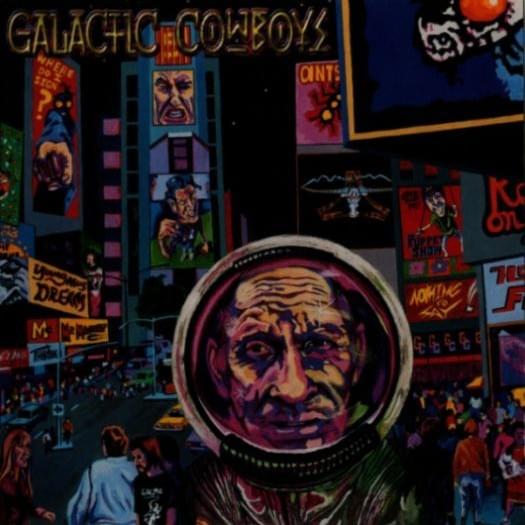
 View Artist