Song Meaning
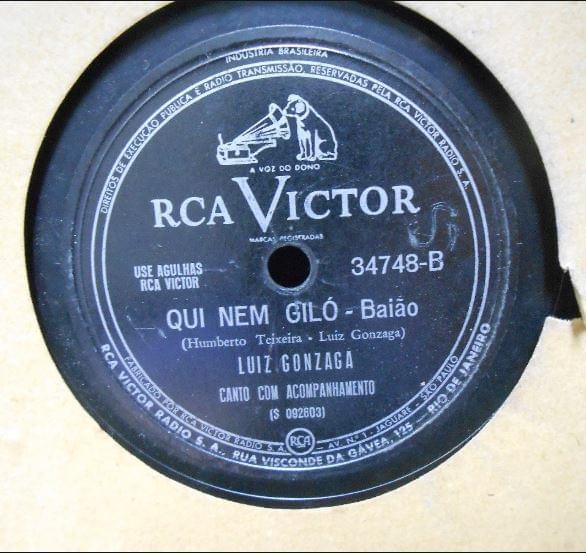
The lyrics paint a picture of saudade, that uniquely Portuguese and Brazilian ache of longing, but they distinguish between two kinds. The first, a gentle remembrance of a lost love, is presented as almost pleasant, a way for someone to convince themselves they're happy simply because they haven't suffered the sting of recent loss. It’s a passive, almost comfortable melancholy, a quiet acknowledgment of a past love that doesn't actively disrupt the present.
However, the song pivots sharply to the pain of saudade when the longing is active and focused on a desired reunion. This is the saudade that "roes" and makes the narrator "crazy suffering." It’s the yearning for a specific person, a "xodó" (sweetheart), that transforms a memory into an unbearable present reality. The contrast is stark: one is a distant echo, the other a gnawing hunger.
The core of the emotional weight lies in this distinction and the narrator's chosen coping mechanism. While the painful saudade is described as "bitter like jiló" (a notoriously bitter fruit), the narrator insists on maintaining a facade. "But nobody can say / That they saw me sadly crying." This refusal to outwardly display the suffering highlights an internal struggle, a pride or resilience that prevents them from showing their pain.
Ultimately, the lyrics reveal that the narrator’s remedy for this consuming saudade is not to forget or to wallow, but to sing. "Saudade, my remedy is to sing." This act of creation, of transforming the bitter feeling into music, suggests a powerful, albeit solitary, way of processing and enduring the pain of longing. It’s a testament to finding solace and expression even when faced with profound heartache.
 View Artist