Song Meaning
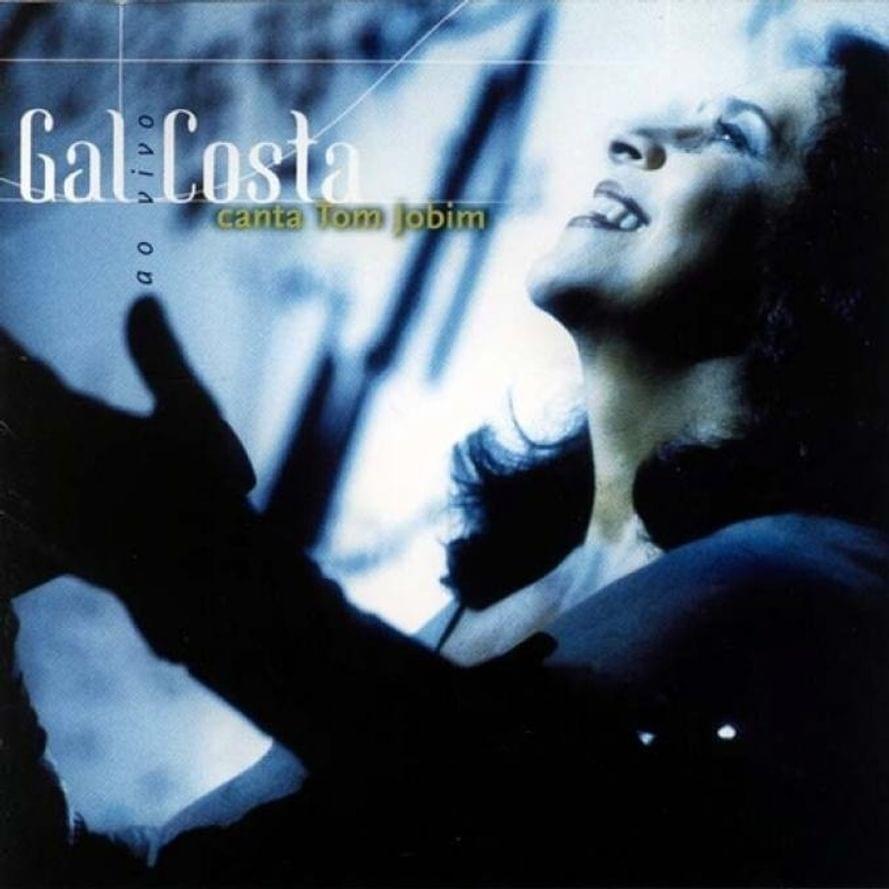
Gal Costa's "Triste" isn't just sad; it's a masterclass in Brazilian melancholy, a precise dissection of longing that resonates far beyond its deceptively simple structure. The song, as the title suggests, wallows in a deep-seated tristeza, exploring the inherent loneliness of existence and the particularly sharp pain of unrequited love. It acknowledges the cruel reality that dreams often shatter against the rocks of the real world, forcing the "sonhador" – the dreamer – to wake up to a less romantic, more solitary landscape. This isn't just heartbreak; it's the existential dread that accompanies the realization that some desires are fundamentally unattainable. Costa's vocal delivery, imbued with a subtle vulnerability, amplifies the feeling of resignation. The repetition of "Triste é viver na solidão" (Sad it is to live in solitude) acts as a mournful mantra, driving home the core theme of isolation.
The lyrics use potent imagery to illustrate the chasm between the dreamer and the object of their affection. The comparison of the beloved's beauty to an airplane – "Tua beleza é um avião" – brilliantly captures the feeling of something impossibly distant and elevated. It's a beauty that soars far beyond the reach of a "pobre coração" (poor heart), leaving the admirer grounded and heartbroken. This isn't just a case of feeling unworthy; it's an acknowledgment of a fundamental incompatibility, a sense that the object of desire exists on a different plane of existence. The act of watching this beauty pass by, only to be "maltratar" (mistreated) by the experience, highlights the masochistic element often present in unrequited love – a willingness to endure pain for even a glimpse of the unattainable.
Ultimately, "Triste" transcends the personal narrative of romantic disappointment, tapping into a universal feeling of saudade – that uniquely Portuguese and Brazilian blend of longing, nostalgia, and bittersweet melancholy. The song’s meaning lies not just in the sadness it expresses, but in its unflinching acceptance of life's inherent loneliness and the often-painful gap between dreams and reality. It's a testament to Gal Costa's ability to convey complex emotions with a rare combination of vulnerability and artistic precision, solidifying its place as a timeless exploration of the human condition.
 View Artist