Song Meaning
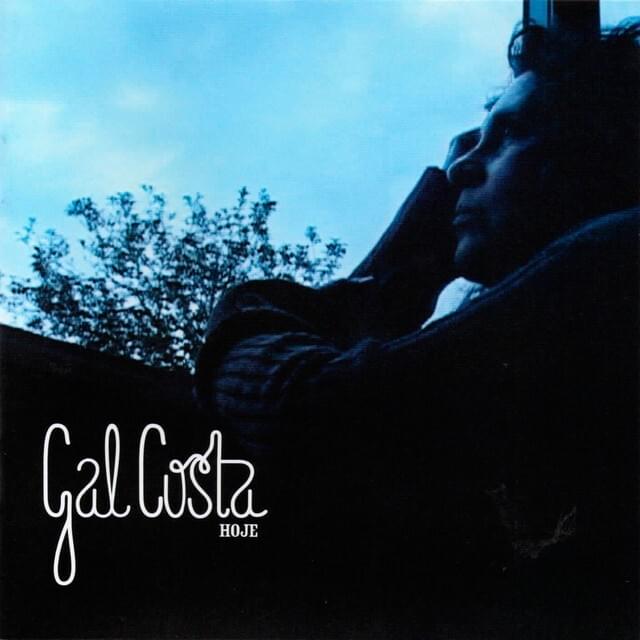
Gal Costa's "Sexo E Luz" isn't just a song; it's a visceral, poetic explosion of sensual and spiritual awakening. The lyrics, sung in Portuguese, paint a picture of transcendence through the act of love, a journey from mundane existence to ecstatic union. Costa masterfully uses imagery of light and darkness, pain and pleasure, to explore the transformative power of intimacy. The opening verses describe a departure from a "monotonous day," a state of emotional stagnation, propelled by a sudden, overwhelming passion. This initial shock, this being rendered "atônito" (astonished), is the catalyst for a radical shift in destiny. The "vale do meu tormento" (valley of my torment) is abandoned for the "lago do teu amor" (lake of your love), signaling a movement towards solace and connection. This is no mere physical act; it’s a dive into the depths of shared experience.
The core of the song meaning lies in the blurring of pleasure and pain. The line "Me vi gemendo de prazer que nem de dor" (I saw myself moaning with pleasure as if in pain) encapsulates the complex emotional landscape of intense desire. It's a recognition that true vulnerability, the kind that unlocks genuine intimacy, often exists at the edge of discomfort. The act of love becomes a purifying force, a cleansing experience described through the imagery of bathing and washing oneself in "sexo e luz" (sex and light). This isn't just about physical gratification; it's about spiritual catharsis.
Ultimately, "Sexo E Luz" is about reaching a state of oneness, a fusion of individual selves into something infinite. The repeated lines "E em ti, fui um / Com o infinito" (And in you, I was one / With the infinite) emphasize the transcendent nature of the experience. The song delves into the deepest recesses of the self, where a "límmpido relâmpago" (clear lightning) ignites. This isn't merely sexual; it’s an alchemical process, a transformation of the self through the power of connection. Gal Costa invites us to explore the boundaries of human experience, to embrace the messy, contradictory, and ultimately liberating potential of love and desire. The journey "além do mundo, além da razão" (beyond the world, beyond reason) suggests a surrender to something larger than ourselves, a merging with the divine through the earthly.
 View Artist