Song Meaning
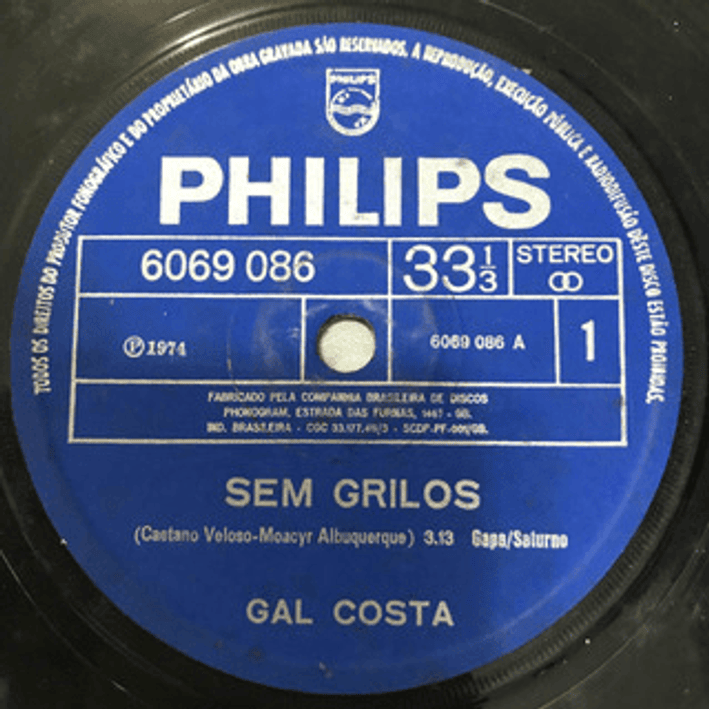
Gal Costa's "Sem Grilos" isn't just a song; it's a vibrant manifesto for living in the moment, a sonic balm against the anxieties that plague modern existence. The breezy title, which translates to "Without Worries," immediately sets the tone, promising a carefree escape. But this isn't naive escapism. Instead, Costa uses the infectious rhythms of frevo, a high-energy Brazilian dance and music style originating from Recife, as a vehicle for navigating life's inherent challenges. The recurring line "Vamos viver / Os grilos pintam, e daí?" ("Let's live / The crickets chirp, so what?") perfectly encapsulates this sentiment, dismissing minor irritations as inconsequential distractions from the joy of being alive. The crickets are a metaphor for the nagging anxieties and external pressures that attempt to steal our inner peace. Costa boldly refuses to let them win.
The lyrics delve into the cultural roots of frevo, tracing its journey from Recife through time, marked by both "riso e dor" (laughter and pain). Frevo becomes a metaphor for resilience and the ability to find joy even amidst hardship. Costa acknowledges the complexities of life, describing the dance as "transando no passo, tristeza e alegria" (intertwining in the step, sadness and joy). This acknowledgment of the bittersweet nature of existence elevates the song beyond simple hedonism. It suggests that true freedom comes not from ignoring pain, but from embracing the full spectrum of human experience.
The song’s connection to Bahia, Costa's home state, further enriches its meaning. By linking the "futuro do passado" (future of the past) to her present in Bahia, Costa highlights the enduring power of cultural heritage. The line "Onde o frevo for eu vou / Meu amor" ("Where the frevo goes, I go / My love") solidifies frevo as not just a musical style, but a guiding principle, a source of joy, and a connection to something larger than oneself. "Sem Grilos" becomes an invitation to follow the frevo's path, to embrace life's unpredictable turns, and to find liberation in the present moment, guided by the rhythms of Brazilian culture.
 View Artist