Song Meaning
Gal Costa's "Sábado em Copacabana" is more than just a postcard from Rio; it's a sonic embodiment of longing and the promise of escape. The lyrics paint a vivid picture of someone shedding the weight of the work week, actively choosing joy and connection in the vibrant heart of Copacabana. It's a ritualistic embrace of the weekend, a deliberate act of self-care fueled by anticipation. The repeated invocation of Copacabana isn't mere geography; it represents a state of mind, a portal to pleasure. The song taps into the universal desire to compartmentalize – to leave behind the mundane and step into a space where romance, music, and the intoxicating energy of the city can take over. The lyrics suggest that this weekly pilgrimage is not just about fleeting pleasure, but about a deeper search for love and connection, a yearning to fill a void.
The song's emotional core lies in its understanding of human desire. The carefully planned evening – dinner, dancing, the possibility of romance – speaks to a proactive pursuit of happiness. But there's also a hint of melancholy woven into the exuberance. The line about the night passing so quickly underscores the ephemeral nature of these moments of joy, while the promise to return the following week suggests a cycle of longing and fulfillment. The reference to saudade—that uniquely Portuguese feeling of longing or nostalgia—adds another layer of complexity, hinting that even in the midst of pleasure, there's an awareness of what's missing.
"Sábado em Copacabana" also functions as an ode to the iconic beach itself. Describing Copacabana as the "little princess of the sea" transforms it into a living, breathing entity, a source of inspiration and solace. The lyrics suggest that the ocean itself is captivated by Copacabana's beauty, forever murmuring its name. This personification elevates the song beyond a simple celebration of nightlife; it becomes a testament to the enduring power of place, and how a specific location can embody our hopes, dreams, and deepest desires.
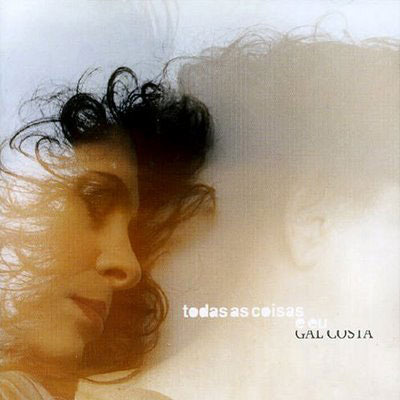
 View Artist