Song Meaning
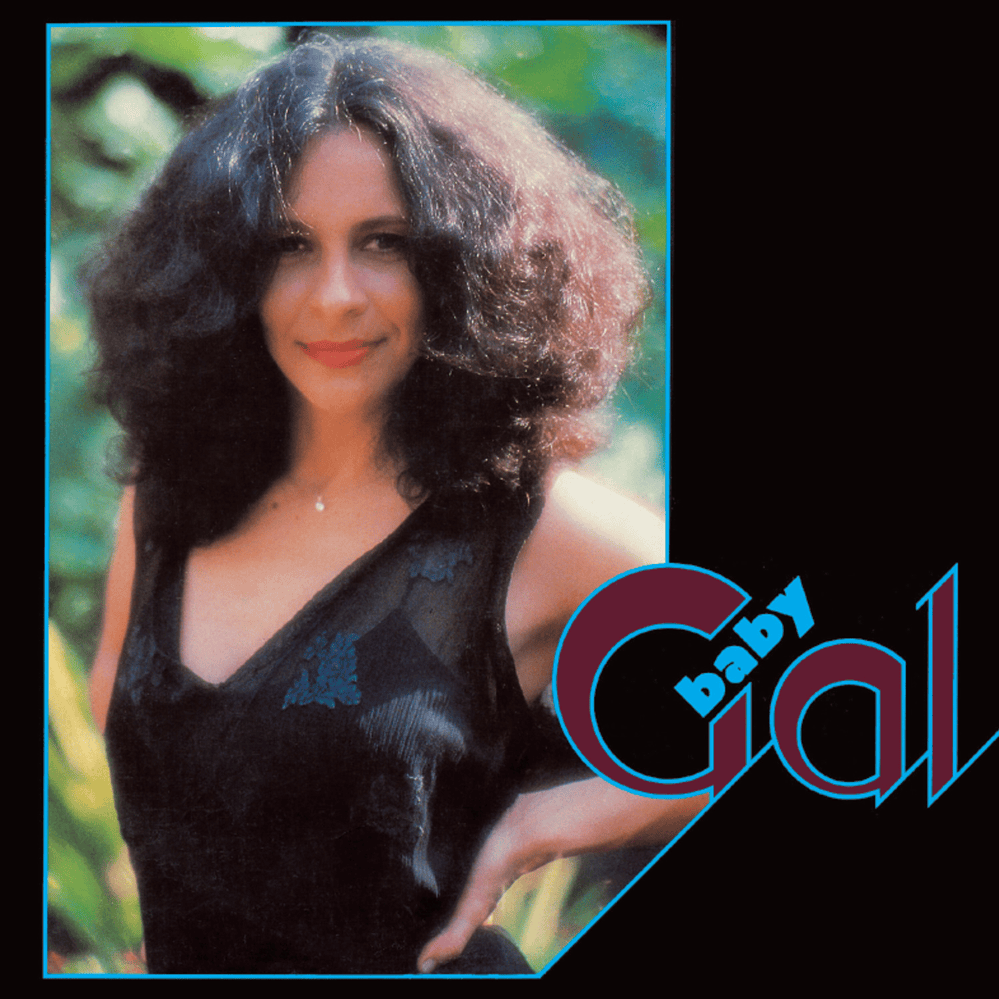
Gal Costa's "Rumba Louca" isn't just a song; it’s a humid, breathless encounter rendered in sound. The lyrics paint a vivid picture of bodies intertwined, a dance floor blurring into a haze of lust and longing. It's a snapshot of a fleeting connection, intensified by the knowledge of its potential ephemerality. The opening lines, describing a heart dancing freely, set the stage for a flirtatious game of attraction. The imagery is tactile – faces pressed together, thighs touching, whispers and kisses exchanged. It's the kind of encounter that leaves you slightly dizzy, questioning what's real and what's a figment of the moment.
The "rumba louca" itself becomes a metaphor for the intoxicating chaos of desire. It's a pulse that quickens, a fire that ignites, a shared rhythm that amplifies the connection between two people. The lyrics hint at a deeper yearning beneath the surface playfulness. There's a vulnerability in the lines about fearing the end of the dance, a willingness to abandon oneself to the pull of infatuation. The speaker is ready to fall, to become a "brotinho apaixonado" (an infatuated sprout), surrendering to the heat of the moment.
The song's genius lies in its ability to capture the precarious balance between pleasure and potential heartbreak. The repeated phrase "Quente como é quente o amor" (Hot as love is hot) underscores the intensity of the feelings involved, but also acknowledges the inherent risk. Love, like a rumba louca, is a wild, unpredictable dance that can leave you breathless and yearning for more, even as it threatens to spin out of control. Gal Costa's delivery only elevates the song's inherent eroticism and longing, making it an ode to ephemeral, passionate connections.
 View Artist