Song Meaning
Gal Costa's "Rumba de Jacarepaguá" is less a literal rumba and more a sly commentary on cultural authenticity and appropriation. The lyrics playfully deny the song's origins in traditional Latin American rumba hotspots like Nicaragua, Havana, or Panama. This denial isn't just geographical; it's a rejection of stereotypical musical tropes often associated with those places – "bananas nem mañanas, nem Caracas, nem maracas." The song cleverly subverts expectations, suggesting that true cultural expression isn't about adhering to preconceived notions of origin.
The song’s heart lies in its embrace of Brazilian identity. It stakes its claim firmly in the neighborhoods of Rio de Janeiro: Madureira, Cascadura, Irajá, and finally, Jacarepaguá. These locations aren't just place names; they represent a specific, lived Brazilian experience, a counterpoint to the romanticized or commodified versions of Latin American culture often presented to the world. The repeated assertion that "A rumba que eu canto / Não nasceu em Nicarágua" underscores this desire to define Brazilian identity on its own terms, free from external expectations.
Ultimately, "Rumba de Jacarepaguá" celebrates a unique, localized expression. It's a “mascarada” – a masked rumba, something that isn't quite what it seems. This playful ambiguity is key to the song's meaning. It acknowledges the influence of various cultures while simultaneously declaring its independence. It's an invitation to "requebrar até cansar" – to dance and move freely within the boundaries of a distinctly Brazilian rhythm, even if that rhythm defies easy categorization. Gal Costa, through this spirited performance, champions the beauty of hybridity and the power of claiming one's own cultural space.
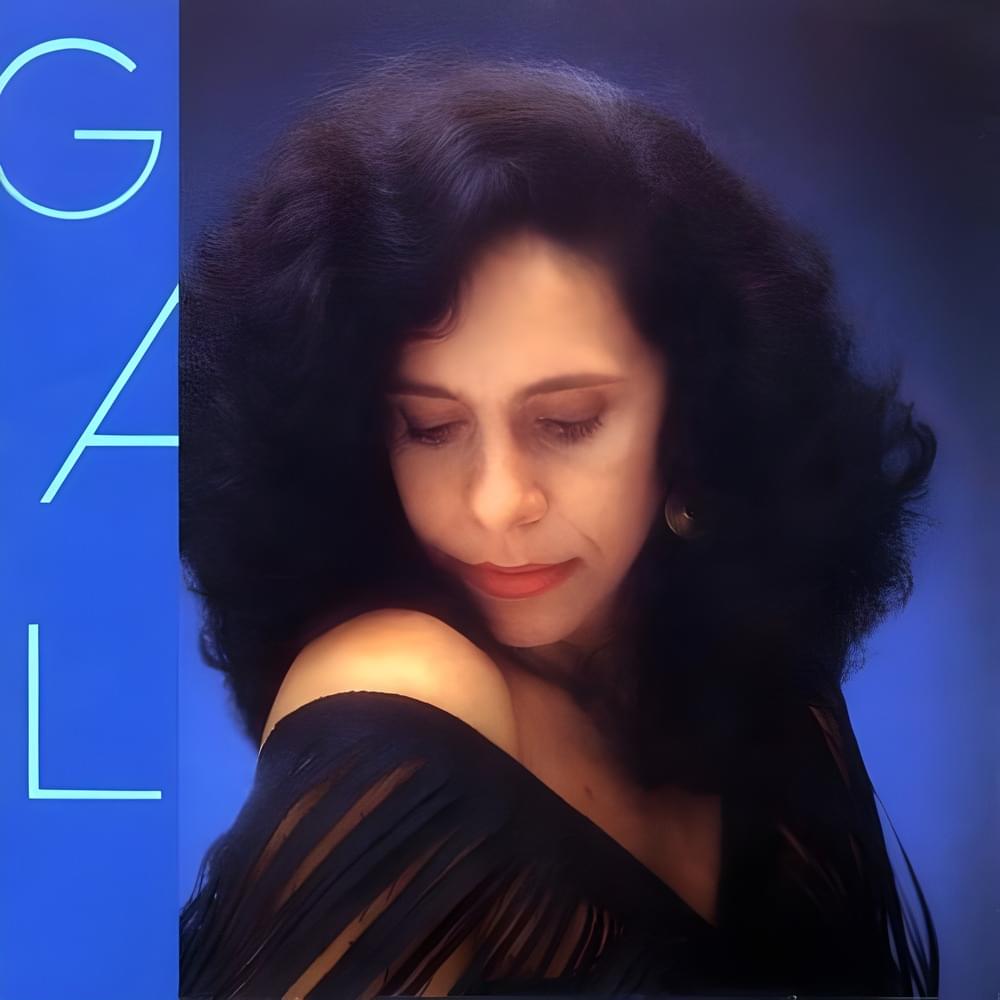
 View Artist