Song Meaning
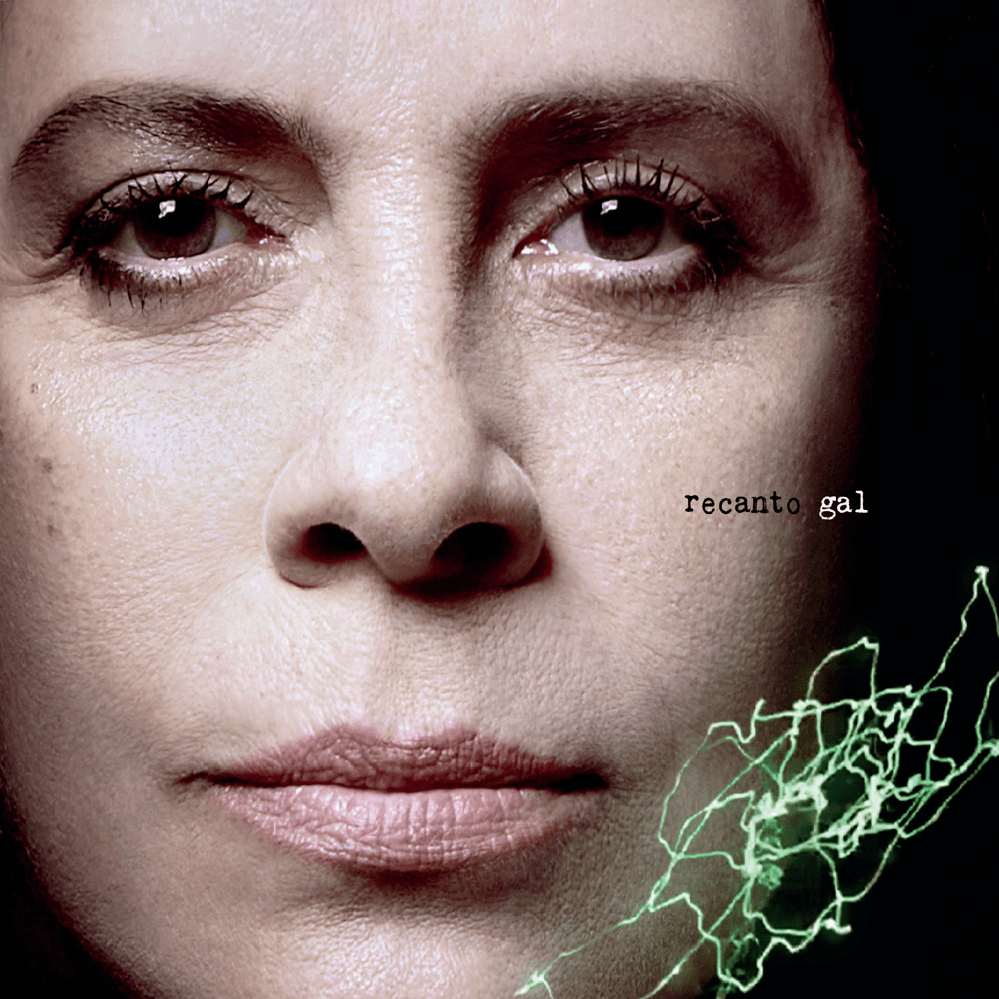
Gal Costa's "Recanto Escuro" isn't just a song; it's a stark, unflinching self-portrait painted in shades of shadow and resilience. The opening lines immediately establish a sense of withdrawal, a preference for the "dark corner" where sunlight is an alien, almost hostile force. This isn't mere shyness; it's a deliberate retreat from the pressures and expectations of the outside world. The lyrics hint at a deep-seated disillusionment, a weary resignation to waiting for something to happen, devoid of joy or even playful curiosity. There's a passivity here that's both unsettling and deeply human. The lines "Não salto mas sou carregada / Por asas que a gente não tem" suggest a journey, but one where the singer is a passenger rather than a pilot, carried by unseen forces.
The song's emotional core lies in its exploration of vulnerability and self-preservation. The admission that "Em breve só saio de noite / A lua não me rasga o peito" speaks volumes about the singer's need to protect herself from further pain. The fleeting solace found in "Cool jazz" is a temporary balm, a fragile shield against the world's harshness. Alcohol, rather than providing escape, only unlocks tears, highlighting a deeper sadness that cannot be masked. The lines "Convidam-me a mudar o mundo / É fácil: nem tem que pensar / Nem ver o fundo" offer a scathing critique of superficial activism, a rejection of simplistic solutions that ignore the complexities of reality.
Perhaps the most poignant verse reveals the singer's past, a time of "prisão militar" where she was forced to "fazer pose e cantar / Presa ao dinheiro." This suggests a period of compromise, of sacrificing artistic integrity for survival. Yet, despite these experiences, the "recanto escuro" remains a constant, a place of refuge and self-reflection. The final verses offer a glimmer of hope, a belief that "coisas sagradas permanecem" and that the spirit, forged from body, soul, and the act of singing, will ultimately endure. "Recanto Escuro" is ultimately about the enduring power of the human spirit to find solace and meaning even in the darkest of times, and Gal Costa delivers it with haunting, unforgettable grace.
 View Artist