Song Meaning
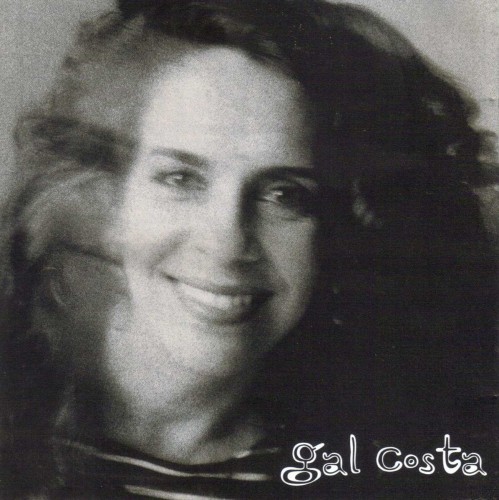
Gal Costa's "Qui Nem Jiló" isn't just a song; it's a masterclass in Brazilian saudade—that exquisitely painful longing that permeates so much of the nation's art. The lyrics paint a portrait of bittersweet remembrance, contrasting the gentle ache of past love with the sharper sting of present desire. Costa navigates this emotional tightrope with characteristic grace, her voice a soothing balm on the rawness of the sentiment. The opening lines set the stage, differentiating between a passive, almost nostalgic recollection of lost love and the active yearning for a reunion. One is a comfortable reminder of happiness once known, the other a constant source of torment.
The core of the song meaning lies in the duality of saudade itself. It's not simply sadness; it's a complex mix of pleasure and pain, a recognition of beauty that was and might never be again. The comparison to jiló, a notoriously bitter vegetable, is particularly potent. It encapsulates the unpleasant taste that longing leaves in the mouth, a constant reminder of what's missing. "Saudade assim faz doer e amarga qui nem jiló" is a line that cuts straight to the heart, capturing the visceral nature of this specific kind of suffering.
Yet, "Qui Nem Jiló" refuses to wallow. Despite the acknowledged pain, there's a resilience woven into the lyrics. The singer declares that no one will see her weeping, choosing instead to sublimate her sorrow through song. This act of singing becomes a form of self-medication, a way to transform personal anguish into something beautiful and shareable. The repetition of "Saudade, o meu remédio é cantar" underscores this point, turning the act of musical expression into a defiant act of healing. The 'la la la' section at the end reinforces the cathartic nature of the song, suggesting a release of tension and a quiet acceptance of the lingering saudade.
 View Artist