Song Meaning
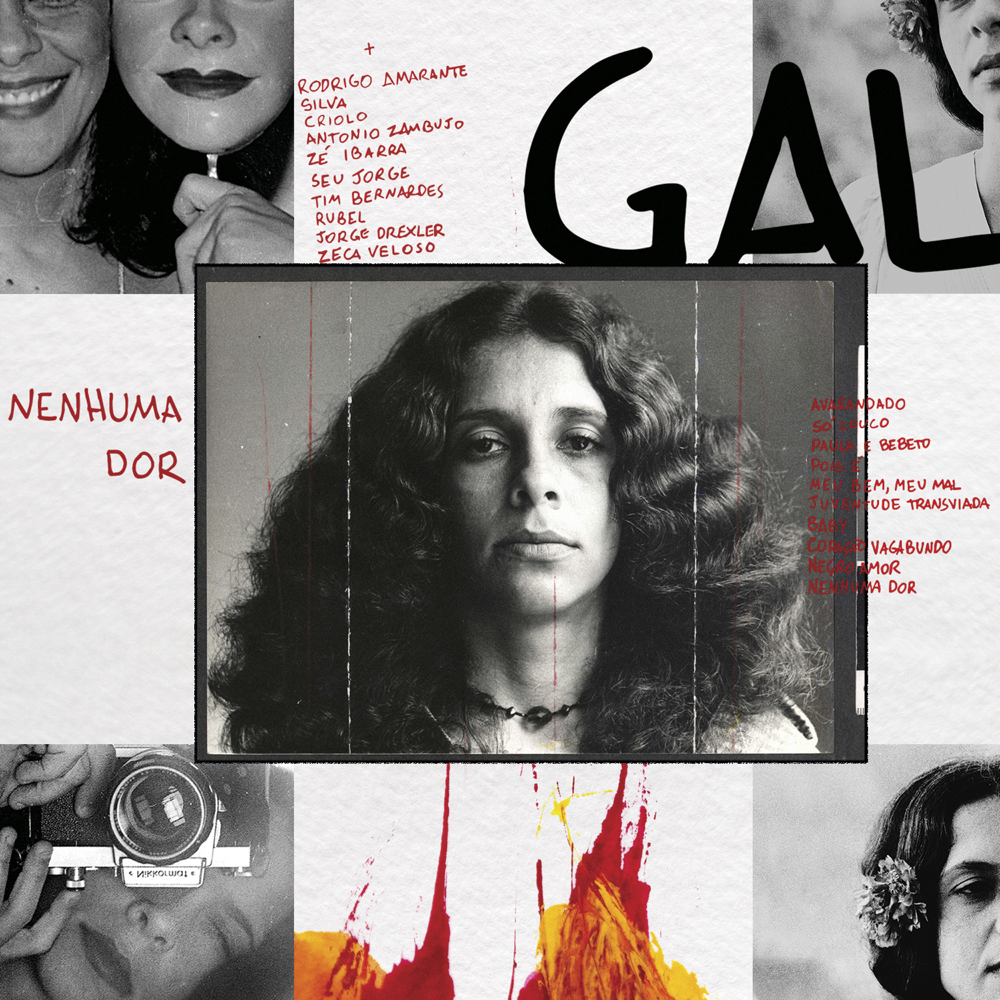
Gal Costa, joined by António Zambujo in "Pois É," crafts a melancholic post-mortem of a love affair. The song, steeped in the bittersweet tradition of Brazilian *saudade*, doesn't dissect the *how* of the breakup so much as dwell on the lingering *what now*. The opening lines, "Fica o dito e o redito por não dito / E é difícil dizer que ainda é bonito," immediately establish a landscape of unspoken truths and the struggle to find beauty in what remains. It’s the wreckage after the storm, viewed through a lens of quiet devastation.
The lyrics navigate the uncomfortable space between what was and what is. The line "Nosso mais-que-perfeito está desfeito" is particularly cutting; their idyllic past, once seemingly flawless, is now irrevocably broken. There's a raw honesty in admitting the inability to feign friendship ("Dizer que nós somos bons amigos / É muita mentira para mim"). This isn't a dramatic outburst, but a weary acknowledgement of the emotional toll. Costa's delivery, seasoned with a lifetime of interpreting complex emotions, emphasizes the vulnerability inherent in such a confession.
Ultimately, "Pois É" grapples with the injustice of love. The singer laments, "Hoje na solidão ainda custo / A entender como o amor foi tão injusto / Pra quem só lhe foi dedicação." This isn't a blame game; it's a poignant reflection on the disproportionality of effort and reward in matters of the heart. The repetition of "Pois é, e então" punctuates the song with a sense of resignation, a quiet acceptance of a painful reality. It's a masterclass in understated heartbreak, delivered with the characteristic elegance that defined Gal Costa's career.