Song Meaning
Gal Costa's "Na Baixa do Sapateiro" is more than just a breezy samba; it's a poignant exploration of love's intoxicating, yet ultimately elusive, nature, set against the vibrant backdrop of Bahia. The opening lines, "Amor, bobagem que a gente não explica," immediately establish love as an irrational force, something that ensnares us despite its potential for suffering. This bittersweet paradox is central to the song's emotional core. The singer acknowledges that love is foolish, yet we willingly succumb to its allure, knowing full well that heartache may follow. It's a universal sentiment, delivered with a distinctly Brazilian flair.
The song's narrative unfolds with a longing for a specific love lost in Bahia. The singer recounts encountering "a morena mais frajola da Bahia" (the most delicate brunette of Bahia), an encounter that clearly left a lasting impression. The repeated rejections—a kiss denied, an embrace met with only a smile, a hand refused—underscore the unrequited nature of this affection. This rejection fuels the singer's despair, as expressed in the lines lamenting the inability to find a similar love elsewhere.
"Na Baixa do Sapateiro" uses Bahia itself as a symbol. Initially, it is presented as a "terra da felicidade" (land of happiness), a place of vibrant beauty and potential joy. However, as the song progresses, this image is contrasted with the singer's personal experience of loss, transforming Bahia into a "triste Bahia" (sad Bahia). This shift highlights how personal experiences can irrevocably alter our perception of a place, even one traditionally associated with joy and celebration. The concluding plea to Senhor do Bonfim for another 'morena' reveals a yearning to recapture a lost feeling, suggesting that perhaps the idealized Bahia can be restored with a new love.
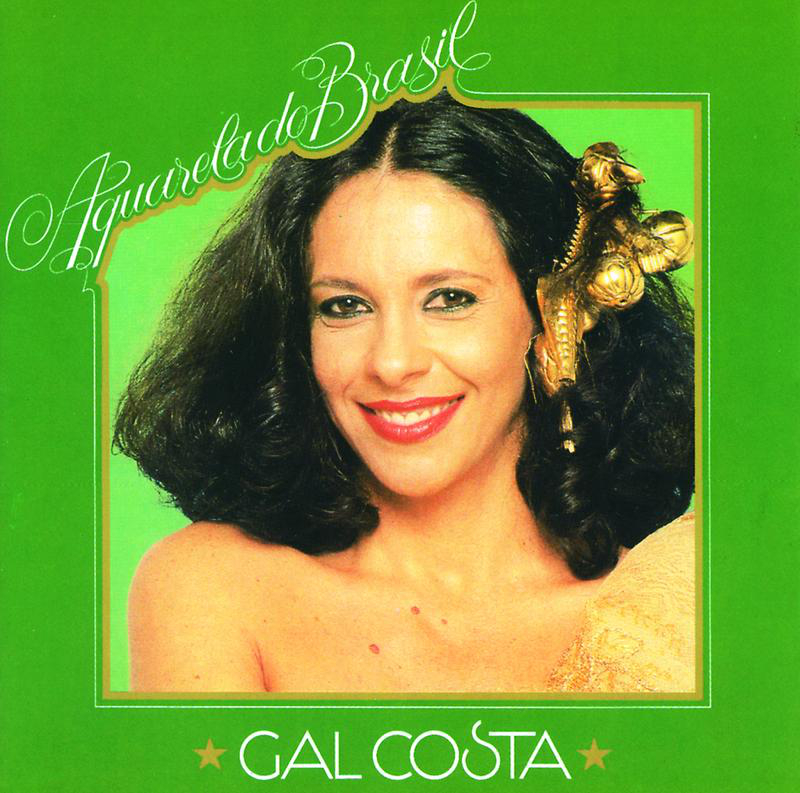
 View Artist